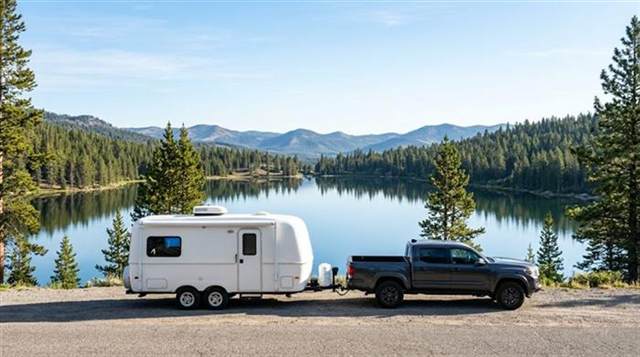
The Jayco Jay Flight held the crown for years as one of America’s best-selling family campers thanks to affordable bunkhouse layouts, walkable wooden roofs, and a two-year warranty. Because it uses classic wood framing wrapped in metal siding, buyers must watch like hawks for leaky corner putty seams, spongy bathroom floors, stapled bunk slats, and crushed heat hoses.
01 • 2-Minute Inspection Chart2-Minute Lot Checks
| Part or Area | What Actually Goes Wrong | How to Check It in 2 Minutes |
|---|---|---|
| Front Corner & Window Seams | Putty tape behind exterior aluminum corner strips dries and shrinks, letting rain soak into wooden wall studs until wallpaper bubbles. | Open the front overhead bedroom cabinets and push hard with your thumb into both outside wall corners—any squish means hidden rot. |
| Bathroom & Kitchen bottom floor | Plywood floor sheets flex slightly between steel crossbeams over years of footsteps, developing soft, bouncy spots right in front of the sink. | Shift your full body weight from heel to toe right in front of the toilet, shower, and entry steps to feel for creaky dips. |
| Bunk Bed & Dinette Wood Frames | Skinny pine two-by-twos held together with factory staples split or pop loose if overloaded past the maker’s posted bunk weight rating or jumped on. | Read the posted bunk weight-limit sticker, then lift the bunk mattresses and dinette cushions to inspect the wood support cleats for cracked boards or pulled-out fasteners. |
| Flexible Floor Furnace Hose | Foil heating tubes snaking through under-seat storage bays get flattened like soda cans by shoved camp chairs, blocking heat to the back. | Peek inside under-bunk and under-dinette compartments to make sure round silver heat hoses are uncrushed and clamped tight. |
| Used-Market Older Budget Tires | While newer builds tout upgraded brand-name tires, older used Jay Flights often still wear aged, sun-rotted bargain tires ready to pop. | Read the four-digit date stamp on every tire sidewall. If a trailer tire is past five years old, replace it regardless of tread depth. |
Common Trouble Spots
Why Classic Wood-And-Metal Campers Demand A Caulk Gun
Jay Flights keep family camping affordable by building walls much like a backyard garden shed. Wooden framing studs stuffed with pink or white wall foam and covered outside with painted aluminum strips.
Read deeper field notes
Jayco’s Magnum Truss wooden roof design withstood 4,500 pounds in Jayco’s published factory static roof test. Though you should always check your specific model manual before walking on the roof or allowing snow to accumulate.
Water is always wood’s mortal enemy, though. Every window frame, baggage door, clearance marker light, and metal corner rail punches screw holes through that metal skin.
Owners who spend forty-five minutes every spring touching up cracked exterior sealant keep Jay Flights bone-dry for fifteen years. Owners who park and ignore them grow mushrooms by year four.
Posted Bunk Weight Ratings vs. Stapled Bunkhouse Lumber
Inside a twenty-eight-foot Jay Flight bunkhouse, you can sleep a full family on rainy Saturdays without setting up a single tent. Look underneath those booth benches and bunk beds, however, and you will see light pine support cleats and plywood panels designed strictly for specific weight limits.
Read deeper field notes
Always check the maker’s posted bunk weight-limit sticker and owner’s manual. Jayco publishes specific pound ratings for single vs.
Double bunks by floorplan and model year. Never allow kids to jump on or overload a bunk—and never assume adding random hardware-store deck screws or L-brackets increases a bunk’s safe weight limit or how many kids can sleep on it!
If any bunk support rail feels loose, cracked, or pulled away from the wall, have it repaired by an authorized dealer using factory-specified framing.
Why The Two-Year Warranty Helps (With One Catch)
Most rival starter trailers hand you a twelve-month factory warranty that practically evaporates. Meanwhile, your camper sits parked through its first winter.
Read deeper field notes
Jayco’s signature two-year bumper-to-bumper coverage and three-year frame backing give first-time families a meaningful safety net covering two full summer camping seasons. Remember the dealership bottleneck, though.
Warranties do not teleport mechanics to your driveway! Busy summer service bays at giant dealerships can hold your camper hostage for six weeks over a twenty-dollar water pump or loose trim board.
So learning basic five-minute DIY screwdriver fixes keeps your summer vacations rolling.
Walkaround Checklist
Bring a flashlight to the dealer lot or seller's driveway and check every box below before handing over a deposit:
- Run the exact 17-digit VIN through the NHTSA Recall Database (https://www.nhtsa.gov/recalls) and Jayco’s recall lookup to confirm whether any open safety recalls exist or have normal completion records.
- Compare the Jay Flight’s max loaded weight and estimated loaded tongue weight—plus all passengers, cargo, fuel, and hitch hardware—against your specific tow vehicle’s door-jamb Tire & Loading Information payload sticker, max trailer weight, axle limits, and combined truck-and-trailer weight limits, and hitch receiver rating.
- Stick your nose right inside the front pass-through trunk and upper closets—healthy wood smells like lumber. Meanwhile, water leaks smell like an old basement.
- Press your thumb along interior walls underneath every slide window and around the roof AC unit grill for soft, wrinkled paper.
- Walk down the center aisle from front bed to rear bathroom checking that plywood seams feel flat and solid underfoot.
- From the rear ladder, or walking only if verified by your model’s owner manual, check the front roof-to-wall seam strip for cracked, peeling rubber sealant.
- Read the posted weight-limit label on every bunk bed, then lift every bunk mattress and dinette cushion. Without bouncing or jumping on the bunks. To inspect the wood support framing before leaving the dealer lot.
Yes, especially for growing families who want practical sleeping bunks per dollar without gambling on fly-by-night brands. Everything inside a Jay Flight uses simple, non-computerized parts, backed by Jayco’s Magnum Truss roof framing, clear posted bunk ratings, and two full years of factory warranty.
Want the full factory score? Read our Jayco Brand Dossier.
Common Questions
What is the difference between Jay Flight and Jay Flight SLX?
Jay Flight SLX models start smaller and lighter—including narrow seven-foot-wide single-axle trailers alongside value-priced tandem bunkhouses. Classic full-size Jay Flight models use wider eight-foot bodies, deeper slides, heavier frames, and larger water tanks. Always compare the specific floorplan’s max loaded weight and tongue weight against your tow vehicle’s door-jamb payload, axle, and hitch stickers.
Do Jayco Jay Flight trailers really have better roofs than rivals?
Jayco’s Magnum Truss wooden roof design uses screwed plywood decking over arched wood rafters, and Jayco publishes a 4,500-pound factory static roof-test figure for that build. Remember that a factory static test figure is not an unlimited snow-load or untested walk-on allowance. Always follow your owner’s manual for roof upkeep access, clear heavy snow accumulation, and keep vent seals caulked tight.
Can a half-ton truck tow a 28-foot Jayco Jay Flight bunkhouse?
Never rely on a "half-ton" truck label, flat terrain, or a weight-distribution hitch as a blanket safe-tow approval. You must compare the 28-foot Jay Flight’s max loaded weight and measured/estimated loaded tongue weight—plus all passengers, bikes, firewood, coolers, fuel, and hitch hardware in the truck—against your specific pickup’s door-jamb Tire & Loading Information payload sticker, rear axle weight limit, max loaded weight, combined weight limit, and hitch receiver rating.
Related Guides
Jayco
Middlebury’s sensible minivan of RVs—short on flashy showroom swagger, long on roof strength and a two-year safety…
Jayco Eagle
One of the longest-running names in fifth-wheel history, the Jayco Eagle and lighter Eagle HT pair cozy farmhouse…
Keystone Cougar
For over twenty years, the Keystone Cougar has packed campgrounds with smart fifth wheels and travel trailers…

How to Read an RV Buyer’s Order
An RV Buyer’s Order is the single-page price sheet listing what you are paying before you sign loan papers.