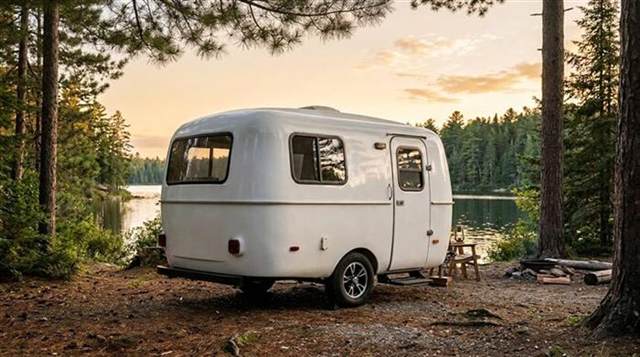
Casita Travel Trailers vs. Scamp Trailers
Two beloved, leak-defying Tupperware legends—one lined in Texas boat carpet, the other in Minnesota cabin birch.
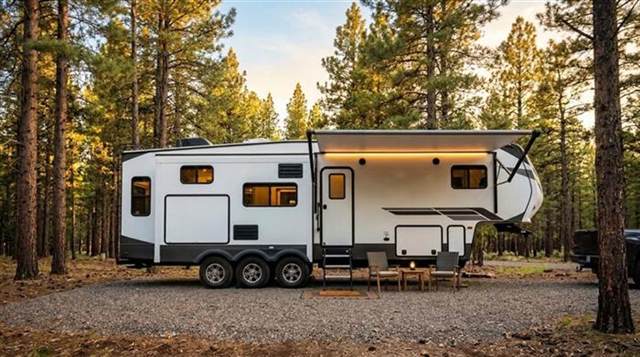
Grand Design RV vs. Brinkley RV
The reigning mainstream champion faces off against its own original co-founders armed with brass plumbing and zero…
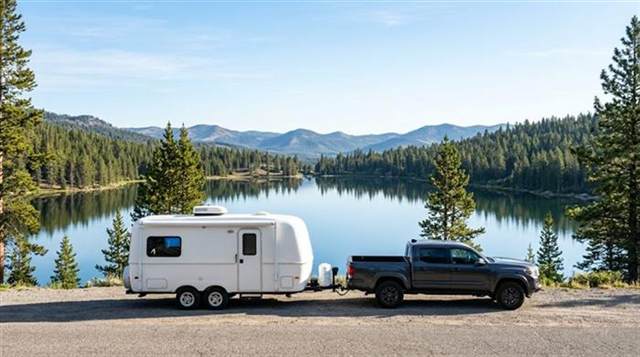
Grand Design RV vs. Jayco
Two Middlebury neighbors battling for America’s driveway—sleek glued-layer polish versus a two-year…
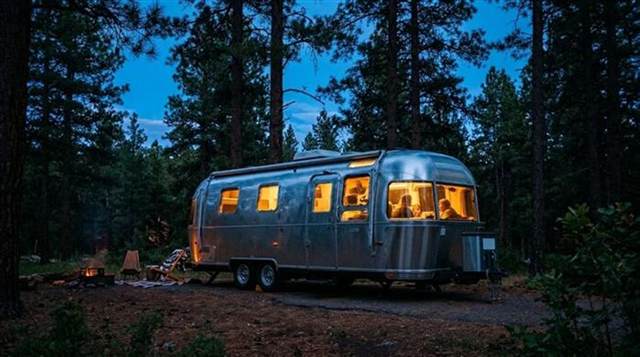
Airstream vs. Oliver Travel Trailers
Iconic hand-riveted aircraft-style aluminum meets an super-tough double-hulled Tennessee fiberglass bunker.
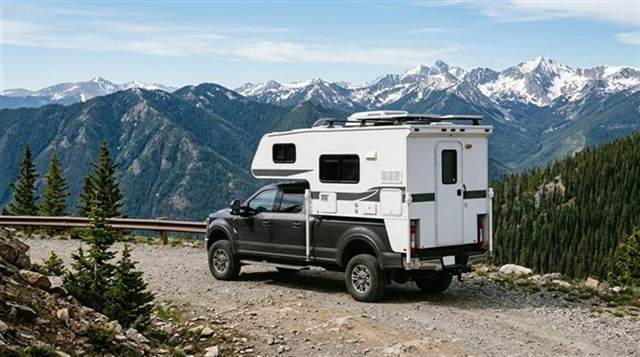
Northwood (Arctic Fox) vs. Outdoors RV
Built across town from each other in La Grande, Oregon—two overbuilt four-season tanks arguing over water tanks…
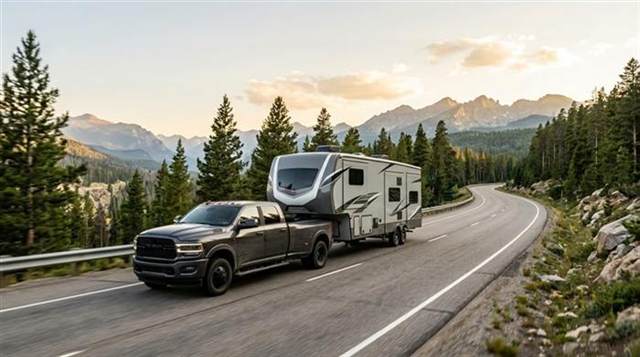
Forest River vs. Keystone RV
Warren Buffett’s multi-badge RV empire squares off against Thor’s design-savvy Goshen juggernaut.
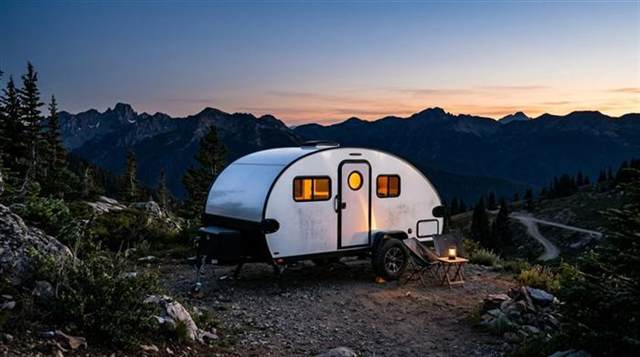
Lance Camper vs. inTech RV
California CNC-routed four-season heritage meets Nappanee’s TIG-welded all-aluminum motorsport cage.
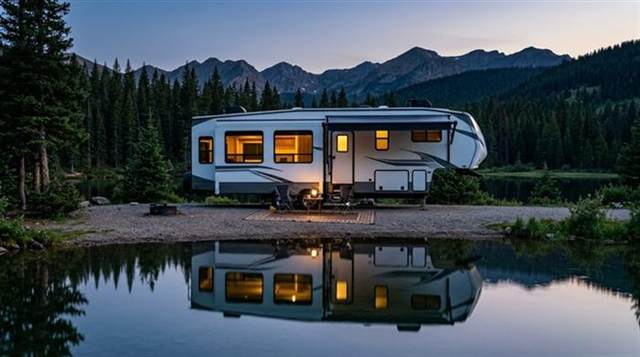
Fifth Wheel vs. Travel Trailer (Bumper Pull)
Apartment-sized highway serenity over your rear axle versus keeping your pickup bed free and your truck budget…
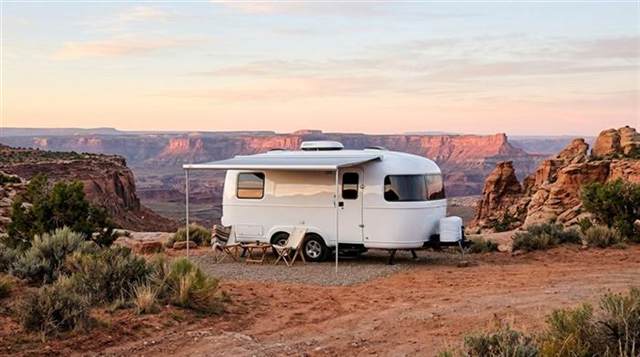
Molded Fiberglass Egg vs. Stick-and-Tin (Wood & Aluminum)
A thirty-year leak-defying boat hull that holds two people cozily versus a budget family bunkhouse held together…
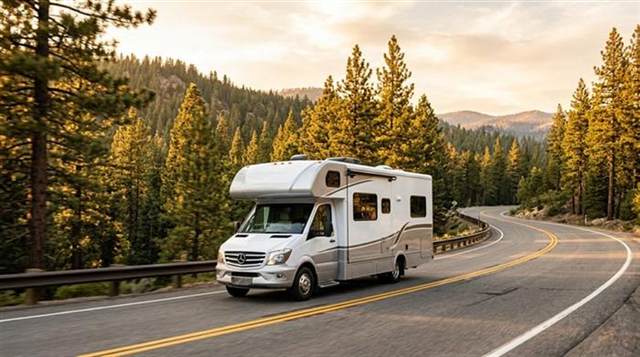
Class C Motorhome vs. Travel Trailer
On-the-move bathroom access and ten-minute campsite setups battle lower upkeep bills and having a car once you…
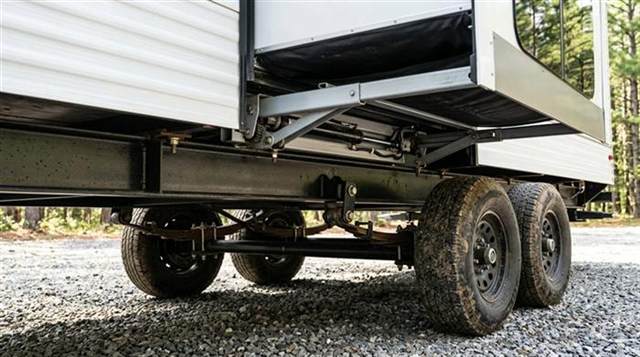
Azdel Onboard Composite vs. Luan Wood Substrate
Why a two-millimeter sheet of polypropylene fiberglass quietly saved thousands of glued-layer campers from turning…
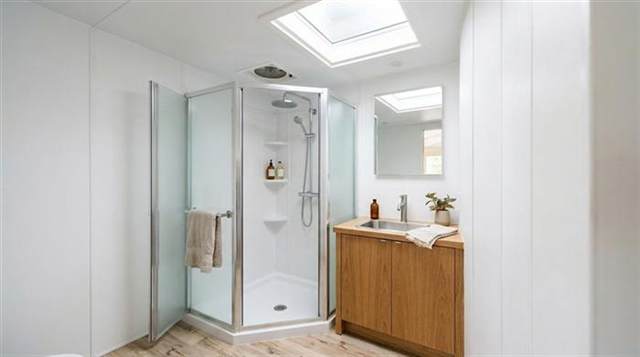
Wet Bath (All-in-One) vs. Dry Bath (Separate Shower)
One waterproof fiberglass capsule that unlocks compact agility versus stepping onto a dry bathmat like a civilized…
All 12 Matchup Verdicts
| Matchup | Category | Quick Verdict |
|---|---|---|
| Casita Travel Trailers vs. Scamp Trailers | Brand Showdown | Choosing between a Casita and a Scamp is like choosing between two stubbornly reliable 1990s pickups that refuse to lose value. Both use lightweight, factory-direct molded fiberglass shells that outlive wood-framed trailers by decades, and both keep you well below $35,000. Casita wins for midsize SUV owners wanting a slightly heavier, more refined highway cruiser with a completely wood-free fiberglass floor pan and plush marine wall carpet. Scamp wins for true minimalists driving smaller crossovers who need sub-2,000-pound 13-foot featherweights, love real birch cabinet doors, or dream of towing Scamp’s iconic 19-foot mini fifth wheel behind a midsize pickup. |
| Grand Design RV vs. Brinkley RV | Brand Showdown | Grand Design built the modern fifth-wheel fanbase over the last decade with bright layouts, wide dealer support, and strong owner rallies. Brinkley RV was started in 2022 by former Grand Design co-founders who wanted to fix the biggest headaches in towable campers. Choose Brinkley (Model Z or Model G) if you have the budget for brass plumbing fittings, square residential windows with built-in shades, thick frame rails, and zero-carpet slide floors. Choose Grand Design (Imagine, Reflection, or Solitude) if you want lower sticker prices, lighter half-ton options, and a dealer shop in almost every state. |
| Grand Design RV vs. Jayco | Brand Showdown | Drive down State Road 13 in Middlebury, Indiana, and you practically pass both factories before finishing your coffee. Still, Grand Design and Jayco approach family camping from distinct angles. Grand Design wins on modern ergonomics: cleaner pass-through basements, centralized Nautilus plumbing panels, standard Azdel sidewalls across Imagine/Reflection lines, and higher perceived home-size polish. Jayco punches right back where cautious family budgets live: an industry-best 2-year limited plus 3-year frame warranty, rock-solid Magnum Truss plywood roofs rated to 4,500 pounds, factory Goodyear radial tires across most trims, and legendary stick-and-tin Jay Flight value. |
| Airstream vs. Oliver Travel Trailers | Brand Showdown | Once your slide-free travel-trailer budget crosses ninety thousand dollars, the entire RV industry narrows down to two radically different masterpieces. An Airstream Flying Cloud/Globetrotter or an Oliver Legacy Elite II. Airstream wins on timeless design magic, wider interior cabins (eight feet wide on full-size lines versus Oliver’s trimmer seven-foot beam), wide-view window abundance, and unmatched cultural cachet. Oliver wins decisively on cold-weather four-season design: its wood-free double-hulled fiberglass shell encloses water tanks, lines, and dump valves inside an insulated inter-hull cavity that stays warm. Meanwhile, the propane furnace is actively running—reducing indoor wall condensation and avoiding clear-coat aluminum corrosion. Though it still requires active heat, propane, and battery power in freezing weather and full winter prep whenever stored or towed unheated below freezing. |
| Northwood (Arctic Fox) vs. Outdoors RV | Brand Showdown | Shopping Northwood’s Arctic Fox against Outdoors RV feels like watching two burly lumberjack brothers arm-wrestle over Thanksgiving dinner in La Grande, Oregon. Both belong to the Nash family’s separate Northwood Investments umbrella, both weld their own custom off-road frame steel frames far away from Elkhart cost-cutters, and both laugh at sub-freezing snowstorms that shatter mainstream trailers. Arctic Fox wins if you want sliding dual-pane thermal windows for maximum cross-breeze, iconic fifth wheels, or the toughest slide-in truck campers on Earth. Outdoors RV wins for pure off-grid travel-trailer off-grid camping thanks to standard 80-to-100-gallon fresh tanks and MORryde CRE3000 suspension. |
| Forest River vs. Keystone RV | Brand Showdown | Walk across any giant RV expo in America and seventy percent of the floor belongs to Forest River (Berkshire Hathaway) and Keystone RV (Thor Industries). Comparing them requires looking past corporate logos to exact sub-brand tiers. Keystone wins across the middle market on standardized design smarts: 100-percent composite HyperDeck rot-proof floors, color-coded 12-volt wiring harnesses, Blade HVAC ducting, and Victron-powered SolarFlex packages make Cougar, Montana, and Passport truly clever buys. Forest River wins at opposite extremes: unbeatable sub-$22,000 Cherokee/Grey Wolf family bargains at the bottom. Plus, Millersburg-built Flagstaff and Rockwood gems riding on Dexter rubber-cushioned axles above. |
| Lance Camper vs. inTech RV | Brand Showdown | Shoppers graduating from flimsy starter boxes into sub-7,000-pound boutique travel trailers inevitably narrow their browser tabs to Lance and inTech RV. Both despise Elkhart staple-gun shortcuts, both ride smoothly on Dexter rubber-cushioned axles, and both command passionate resale followings. InTech wins on pure skeletal long life: its fully TIG-welded all-aluminum chassis-and-cabin cage cannot rust, flex, or suffer slide-out jams because inTech refuses to build slide-outs at all. Lance wins on cold-weather livability and spaciousness: enclosed heated tanks, slide-out super-dinettes, standard dry baths across compact lengths, and freshly regained private ownership under Vision Kore in 2025. |
| Fifth Wheel vs. Travel Trailer (Bumper Pull) | Rig Class Debate | Every long-distance camper eventually faces the great towable fork in the road: bumper-pull travel trailer or gooseneck-cousin fifth wheel. Fifth wheels win hands-down on highway towing stability, apartment-grade ceiling heights, cavernous drop-frame basement storage, and shorter overall bumper-to-bumper rig length per square foot—because five feet of bedroom tucks neatly over your pickup bed. Travel trailers win on tow-vehicle flexibility (SUVs and half-ton pickups welcome), lower upfront purchase cost, keeping your covered pickup bed free for generators and firewood, and fitting beneath low-hanging trees in historic national parks. |
| Molded Fiberglass Egg vs. Stick-and-Tin (Wood & Aluminum) | Build Deep-Dive | No two campers on Earth age more differently than a molded fiberglass egg. Casita, Scamp, Escape, Oliver, and a classic stick-and-tin trailer. Jay Flight, Cherokee, Coleman. Molded fiberglass eggs win overwhelmingly on frame long life, aerodynamics, fuel economy, midsize SUV towability, and uncanny resale retention—ten-year-old eggs routinely sell near original MSRP because seamless marine shells cannot peel and bubble or rot.Stick-and-tin wins decisively on upfront square footage per dollar (twenty thousand bucks buys a roomy twenty-six-foot stick-and-tin bunkhouse sleeping six kids comfortably) by contrast, twenty thousand barely buys half a used fiberglass egg. |
| Class C Motorhome vs. Travel Trailer | Rig Class Debate | Debating a Class C motorhome against a travel trailer comes down to one fundamental rhythm question: do you road-trip fast, moving camps every forty-eight hours, or settle into basecamp for a week exploring trailheads. Class C motorhomes win for fast-moving road-trippers, families who treasure onboard bathroom and fridge access at rest stops without unhitching, nervous drivers intimidated by backing trailers, and boat/car flat-towers. Travel trailers win decisively on purchase and insurance cost, isolating engine repairs from your vacation bedroom, avoiding neglected-drivetrain rot during winter storage, and easily unhitching your pickup or SUV to go buy groceries. |
| Azdel Onboard Composite vs. Luan Wood Substrate | Build Deep-Dive | Walk down the back row of any used RV consignment lot and you will spot terrifying soccer-ball-sized blisters bulging out of smooth fiberglass sidewalls—the dreaded RV cancer known as wall bubbling. Azdel composite wall panels win overwhelmingly over classic tropical Luan plywood inside vacuum-bonded layered fiberglass walls: Azdel is 100-percent impervious to water rot, mold, and mildew, weighs fifty percent less than wood, emits zero formaldehyde, and doubles sound/thermal wall foam. Luan only survives today on entry-level glued-layer trailers or classic builders saving roughly four hundred to eight hundred dollars per trailer—a false economy smart buyers avoid. |
| Wet Bath (All-in-One) vs. Dry Bath (Separate Shower) | Build Deep-Dive | Nothing divides couples faster at an RV show than opening the bathroom door of a compact camper and discovering the showerhead mounted right above the toilet. Dry baths win easily on everyday home-size comfort: dry towels, dry toilet-paper rolls, room to bend over and dry your shins without elbowing a faucet, and happy spouses who refuse to squeegee walls after every rinse. Wet baths win on pure spatial and frame efficiency inside sub-21-foot trailers, truck campers, and Class B vans. Reclaiming three linear feet of living room while using a one-piece molded fiberglass enclosure that eliminates several caulked wall-to-pan joints. Though drain traps, toilet valves, and outer edge seals still require proper care and periodic checkup. |
RV Comparison FAQs
How do Azdel RV sidewalls compare to wood luan panels?
Azdel is a waterproof plastic-and-fiberglass board glued behind the outer wall skin. It resists water rot and mold much better than thin wood luan boards. Even with Azdel, you still need to keep roof seams, windows, and wood floors sealed tight.
Does a fifth-wheel hitch eliminate wind and trailer-sway risks?
No. Putting the hitch pin over the pickup bed axle cuts down tail wag from passing trucks. Still, fifth wheels are tall boxes that strong crosswinds can push sideways or tip over. Always check wind warnings, match loaded weights to your truck, and wait out high winds.