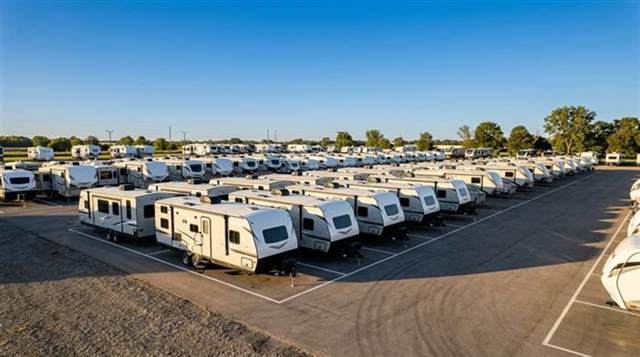
Walk onto a giant RV superstore lot and fifty different brand stickers dazzle your eyes—yet just three giant corporations own roughly eighty percent of them! Instead of memorizing confusing brand names, any high schooler can spot a cheaply built lemon in five minutes by checking cabinet staples, wall materials, sink pipes, tires, and suspension parts.
01 • 2-Minute Inspection Chart2-Minute Lot Checks
| Part or Area | What Actually Goes Wrong | How to Check It in 2 Minutes |
|---|---|---|
| Cabinet & Bunk build | Bargain lines shoot wire staples into sawdust-board paper panels that rip apart on bumpy roads. Meanwhile, solid builders screw real plywood together. | Pull a kitchen drawer completely out and look inside the cabinet ceiling—count real metal screws vs. Sloppy wire staples. |
| Outer Wall Backing Material | Cheap fiberglass walls glue outer skin onto thin wood that rots and blisters when wet. By contrast, solid builds use rot-proof plastic composite boards. | Ask plainly if both inner and outer wall layers use composite panels (like Azdel) or welded cages instead of thin wood. |
| Under-Sink Plumbing Pipes | Cut-rate campers hide loose plastic hand-nuts with zero shutoff valves. Meanwhile, quality rigs use crimped brass fittings and single shutoffs. | Open the bathroom vanity door—metal rings and brass quarter-turn valves beat flimsy hand-twisted gray plastic nuts every time. |
| Tires & Wheel Suspension | Ultra-cheap lines bolt mystery import tires onto bare steel springs with zero shock pads, shaking your camper apart at highway speeds. | Read the tire brand name on the sidewall. Goodyear or Michelin beat off-brands, and check for thick rubber cushions between wheels. |
| Roof Seams & Window Caulking | Piecework speed factories glob messy silicone with air bubbles around vents, letting rain destroy ceilings during year one. | View from a stable ladder beside the rig (without climbing onto an untested roof) — clean, wide, bubble-free sealant beats sloppy finger-smeared goop with pinholes. |
Common Trouble Spots
The Mega-Corporation Sticker Illusion
" Here is the plot twist: Thor owns Keystone, Jayco, Heartland, Dutchmen, Tiffin, and Airstream all under one corporate umbrella! Forest River owns Coachmen, Shasta, Palomino, Rockwood, and dozens more right across the street.
Read deeper field notes
Because most workers in Elkhart, Indiana get paid "piece rate". Meaning crews earn bigger paychecks the faster they finish slapping a batch of trailers together before noon—entry-level sticker lines across ALL mega-corporations suffer identical rushed shortcuts.
Judge the physical price tier and factory plant, never just the pretty mountain logo!
Five Red Flags That Scream "Walk Away Fast"
Want to spot trouble lines. Often ultra-cheap entry doorbusters, rushed pandemic-era stick-and-tin boxes.
Read deeper field notes
Or orphaned sub-brands dealers dump at clearance shows (open every lower hatch first) if you see piles of wood sawdust left on water tanks, exposed tangles of unlabeled wires hanging beneath beds, and paper-wrapped trim already curling inside a brand-new showroom, run. Next, inspect heavy stress points.
Avoid big thirty-five-foot trailers riding on undersized axles with almost zero cargo weight margin left on the yellow door sticker, deep heavy kitchen slide-outs hanging on skinny side-wall gear tracks, and twenty-year finance loans on starter boxes worth half price in twenty-four months.
Who Actually Builds Tough Campers Worth Keeping?
If your budget stretches past starter boxes, look first toward separate or semi-autonomous builders obsessed with slowing assembly lines down. Molded fiberglass eggs like Oliver, Escape, Casita, and Scamp resist exterior wall bubbling.
Read deeper field notes
Though through-hull seals and bottom floors still need regular moisture checks. Welded aluminum builds like inTech and ATC avoid wood framing in the walls, and nuCamp’s Ohio woodshops shame giant factories.
Stepping into larger trailers and fifth wheels, cold-weather Pacific Northwest builders like Northwood Arctic Fox and Outdoors RV weld their own heavy-duty steel frames in-house for rough mountain roads. Meanwhile, newer customer-driven stars like Brinkley and Alliance pushed the industry to upgrade plumbing, windows, and interiors.
Walkaround Checklist
Bring a flashlight to the dealer lot or seller's driveway and check every box below before handing over a deposit:
- Run the exact 17-digit VIN through the NHTSA Recall Database (https://www.nhtsa.gov/recalls) and the maker’s recall portal to confirm whether any open safety recalls exist or have normal completion records.
- Read the yellow Cargo Carrying limit and max loaded weight stickers inside the entry door, and compare the trailer’s max loaded weight and estimated loaded tongue or kingpin weight—plus all passengers, cargo, fuel, and hitch hardware—against your specific tow vehicle’s door-jamb Tire & Loading Information payload sticker, max trailer weight, axle limits, and combined truck-and-trailer weight limits, and hitch receiver rating.
- Open the under-sink cabinet and check the closed wiring breaker panel cover labels. Never open internal high-voltage wiring compartments yourself. To compare clean, labeled workmanship against sloppy assembly.
- Walk normally across the bathroom floor and shower pan, and check the maker’s posted weight-limit sticker and wood support framing on children’s bunks. Never jump or bounce on bunks to test them.
- Ask the service counter—not the commissioned salesperson—how many weeks warranty appointments are currently backed up at that dealership.
- Hire an independent certified NRVIA inspector before wiring a dime on any expensive new or used rig.
Here is the fair truth. Even a cheap fifteen-thousand-dollar starter bunkhouse is not evil if you buy it eyes-wide-open for cash, or lightly used at half price, verify your tow vehicle’s loaded payload and hitch ratings, check for open NHTSA recalls, caulk the roof every spring, and camp six sunny weekends a year near home. Just never pay luxury prices or sign fifteen-year loans on stapled-together starter campers!
Want the full factory score? Read our Forest River Brand Dossier.
Common Questions
Were COVID-era RVs (2021 and 2022) really built worse than other years?
Often yes—factories hired thousands of brand-new workers overnight. Meanwhile, facing severe supply shortages on glue, appliances, and lumber to meet record buyer demand. That doesn’t mean every 2021 camper is junk today. In fact, used ones whose first owners already fixed every factory bug can be smart bargains if inspected carefully!
Which campers last 25+ years without rotting from rainwater?
Two-piece molded fiberglass shells (Oliver, Escape, Bigfoot, Scamp, Casita), riveted aluminum Airstreams (especially 2021+ composite-floor builds), and fully welded aluminum-cage trailers (inTech, Bowlus, ATC) dramatically outlast wood-framed campers because water has almost zero frame lumber to rot.
Does buying from a good RV dealership matter as much as the brand?
Sometimes even more! A caring family-owned dealership pressure-tests water lines, adjusts slide seals, and fixes factory goofs BEFORE handing you keys. By contrast, high-volume chain mega-lots often wash the outside, hand you a keychain, and make you wait three months for warranty repairs.
Related Guides
Forest River
Warren Buffett’s sprawling RV bazaar where twenty different brand stickers hide three identical floorplans and one…
Grand Design Imagine
Walk through almost any state park campground and you will spot three Grand Design Imagine trailers before you…
Grand Design Reflection
The Grand Design Reflection sits right in the sweet spot for campers moving up from a pull-behind trailer to a…
Why 20-Year RV Loans Trap Buyers
RV dealers stretch camper loans out to 15 or 20 years (240 monthly payments!) so an expensive $55,000 trailer…