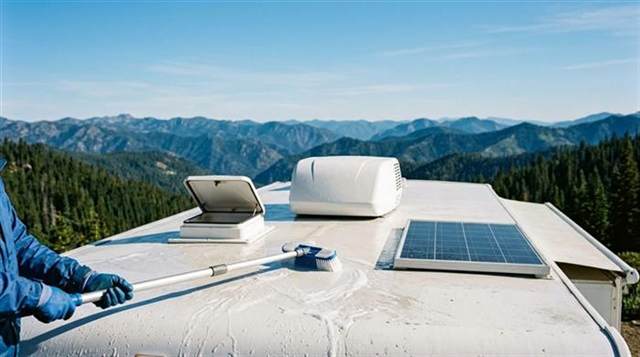
Never put 100% household silicone caulk on an RV roof! Hardware-store bathroom and window silicone peels loose when your camper bounces down bumpy highways, letting rain pour inside your walls. Worse yet, silicone leaves behind an invisible greasy stain so nothing — not Dicor, roof tape, or even fresh silicone — will ever stick to that spot again.
01 • Reference ChartQuick Reference Chart
| Feature | Dicor Lap Sealant | 100% Silicone Caulk |
|---|---|---|
| Built for bouncing 65 mph down highways? | Yes — stretches without popping loose | No — made for houses that sit completely still |
| Can you add fresh caulk right over old caulk? | Yes — wipe clean and apply right on top | Never — fresh silicone will not even stick to old silicone |
| Leaves greasy permanent residue behind? | No — scrapes away cleanly | Yes — oils soak into plastic vents and roof sheets |
| Spreads flat over screw heads on its own? | Yes (self-leveling version) | No — leaves ridges and pinholes unless smoothed by hand |
| Safe for roof skylights and plumbing vents? | 100% industry standard | Number-one cause of hidden DIY roof leaks |
| Cost per tube | $12 to $16 | $8 to $11. Costs thousands later in rotten wood. |
Key Rules Before You Start
Why House Silicone Fails Fast on Rolling Campers
Silicone caulk works great around your porcelain bathtub at home because your bathroom never hits potholes at sixty-five miles an hour or bakes at 130 degrees in a Walmart parking lot. A camper twists like a shoebox every time you pull into a steep gas station driveway, pulling hard on every roof seam.
Read deeper field notes
Household silicone has weak grip on white plastic RV roof vents and flexible rubber or TPO sheets. Within a few months of highway shaking and hot-to-cold heat swings, one thin edge of that clear silicone bead quietly pops loose.
It looks fine from three feet away while funneling rainwater straight under your skylight.
The Greasy Curse. Nothing Sticks After Silicone
Here is the worst surprise waiting for anyone who uses silicone on a camper roof. Silicone oils soak slightly into whatever they touch.
Read deeper field notes
When that bead inevitably leaks next year and you try putting real Dicor roof caulk or EternaBond tape over it, your new repair slides right off like butter on a hot skillet. In fact, fresh 100% silicone will not even stick tightly to dried old silicone!
RV repair shops groan loudly every single time a camper rolls in smeared with clear hardware-store silicone, because a simple one-hour reseal turns into four hours of tedious scraping, scrubbing, and replacing stained plastic roof vents.
How Dicor Makes Future Roof Care Ten Times Easier
Dicor Self-Leveling Lap Sealant was invented especially for flat RV roofs that flex and bounce in the sun. When you squeeze it around a vent frame, it oozes out flat like thick pancake batter, burying every tiny screw head and seam crack under a wide, smooth white cushion that stays soft for years.
Read deeper field notes
Best of all, maintaining Dicor takes fifteen minutes instead of all weekend. Every spring, you climb up, check your seams, scrub any tiny crack clean with rubbing alcohol, and squeeze a fresh dab of Dicor right onto the old Dicor.
The new caulk melts right into the clean old layer as one solid piece.
If a previous owner already smeared clear or white silicone onto your camper roof, do not put Dicor or EternaBond tape over it! You must scrape off every rubbery crumb with a plastic scraper, scrub repeatedly with specialized silicone-remover cleaner and mineral spirits, and test a small spot first — otherwise your expensive new roof caulk will peel right up.
Clean & Seal Step-by-Step Checklist
Follow these steps on a dry afternoon so your patch seals tight the first time:
- Leave every tube labeled "100% Silicone Kitchen, Bath & Window" inside your house tool drawer.
- Buy Dicor Self-Leveling Lap Sealant (usually white or ivory) for all flat RV roof vents and seams.
- If removing old silicone from a used camper, scrape thoroughly with a plastic blade and use silicone remover.
- Clean bare Dicor touch-up spots with 91% rubbing alcohol on a clean rag before resealing.
- Apply a generous wide bead covering both the screw heads and the outer plastic vent lip.
Common Questions
Why did the RV factory use clear silicone on my camper sidewalls?
Some factories run a tiny bead of special RV-grade silicone or clear Proflex along vertical metal window frames or inside indoor shower stalls. Even if your factory used it on vertical walls, never put any silicone product up on your roof.
How can I tell if old caulk on my used RV roof is Dicor or silicone?
Old Dicor sits in wide, flat white pancakes that feel slightly chalky or firm like an old pencil eraser when poked. Silicone usually looks clearer or shiny, feels bouncy and slick like rubbery jelly, and peels off in long stretchy strings.
What if it rains right after I put Dicor Lap Sealant on my roof?
Dicor forms a protective outer skin within five to fifteen minutes and shrugs off gentle rain showers after about four hours of drying. Still, pick a dry sunny morning whenever possible so heavy afternoon thunderstorms cannot leave raindrop dimples in the soft puddle.
Related Guides
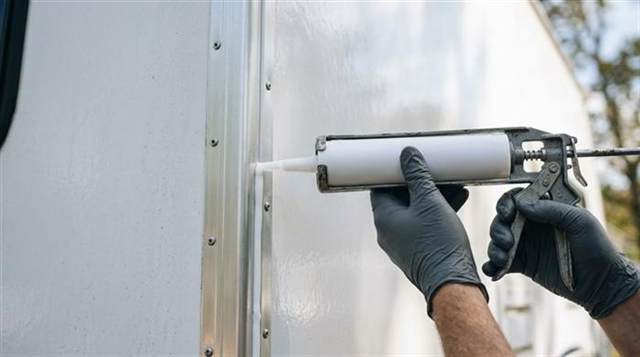
Dicor vs. Geocel Pro Flex Caulk
Dicor and Geocel Proflex RV are teammates, not rivals — putting them in each other’s spot causes big trouble!
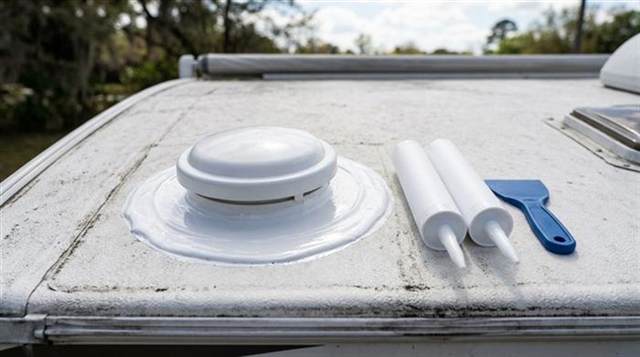
Self-Leveling vs. Non-Sag RV Sealant
Both tubes often sit side-by-side in nearly identical Dicor boxes, so grabbing the wrong one creates an instant…
Grand Design Transcend
The Transcend Xplor and Transcend One are Grand Design’s budget-friendly gateways, swapping smooth fiberglass…

Scamp Trailers
Third-generation Minnesota charm where 1978 design perfection meets Ensolite foam walls and the cutest mini fifth…