Hawaii RV Rules
| Rule / Travel Factor | Hawaii (HI) Field Standard |
|---|---|
| Rest Area Overnight Policy | Zero Highway Rest Areas — Overnight Roadside & Beach Lot Sleeping Strictly Illegal |
| Trailer Towing Speed Limit | 45–60 mph island maximums. No mainland RV towing. Local campervan & 4x4 rooftop-tent territory. |
| Triple Towing Legality | Not Permitted |
| Trailer Brake Weight Threshold | 3,000 lbs max loaded weight |
| Best Months to Camp | April–May & September–early November. Pleasantly warm seas, calmer surf & lighter airfare. |
| Off-Peak / Weather Watch | Mid-December–January & rainy winter north-shore downpours. Sky-high rental rates & muddy beach camps. |
Towing & Camping Across Hawaii
Let's clear up the number-one mainland daydream right around the campfire. No car ferry runs from California to Hawaii, and no vehicle ferry connects Oahu, Maui, Kauai, or the Big Island.
Read deeper field notes
Shipping a 35-foot trailer costs thousands each way, and the islands lack big-rig pads or public dump stations. Hawaii camping means flying in with a duffel bag and renting a nimble local Sprinter campervan, vintage VW bus, or 4x4 Tacoma crowned with a rooftop tent.
Once you embrace micro-rig island life, Hawaii delivers pure magic—falling asleep thirty yards from crashing Kauai surf, brewing Kona pour-overs near steaming volcanic craters, and rinsing off salty snorkel sessions under outdoor solar showers. Just book county, state, and private camp permits in strict lockstep before picking up your keys.
Sleeping illegally on island roadsides brings steep fines and frustrates local residents.
Overnight Parking Map
Rest Areas & Service Plazas
Hawaii does not have mainland-style interstate rest areas, and sleeping overnight in scenic lookouts, highway shoulders, or state beach day-use parking lots is strictly illegal across every island. Police and DLNR rangers patrol coastal turnouts nightly, issuing citations and notifying rental agencies. Never plan an unpermitted roadside night in Hawaii.
Travel Plazas, Walmart & Cabela’s
Hard, unequivocal NO across Oahu, Maui, Kauai, and the Big Island. Walmart, Costco, Target, and shopping center lots strictly ban overnight campervan sleeping by county law and private security patrol. Do not rely on mainland big-box apps here.
BLM, Forests & Public Lands
Mainland-style free BLM free open-land camping does NOT exist in Hawaii. Every single legal night requires an advance date-specific county beach park permit, Hawaiʻi State Parks campsite permit, National Park site. Kīpahulu on Maui or Nāmakanipaio on Big Island, or vetted private Hipcamp/campground host—many county portals close permit sales days ahead or midweek for park upkeep!
Tunnels & Steep Grades
Zero Mainland or Inter-Island Ferries
You cannot drive between islands. Fly between Maui and Kauai and book a separate campervan or 4x4 tent rental on each island.
HI-360 Road to Hāna & Backside Piʻilani Hwy (Maui)
620 tight rainforest curves and 59 narrow bridges (46 one-lane!) demand pulling over promptly so locals can pass. Driving unpaved backside HI-31 voids almost every campervan rental contract.
Big Island HI-200 Saddle Road Fog & Mauna Kea Summit Grade
Thick clouds blank visibility at 6,632 feet between Hilo and Kona. Meanwhile, the steep 13,803-foot Mauna Kea summit gravel road strictly requires true 4-Low four-wheel-drive and bans standard campervans.
Featured Camp & Stop
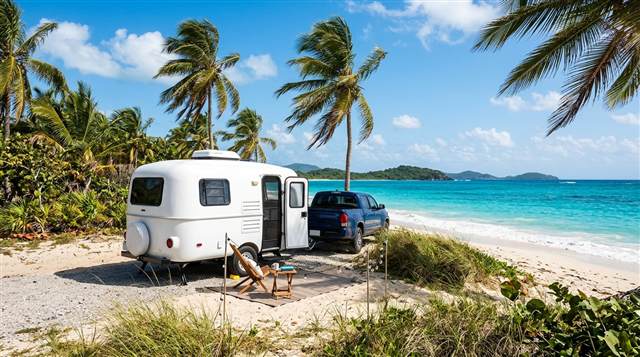
Nāmakanipaio Campground — Hawaiʻi Volcanoes National Park (Big Island)
Crisp 4,000-foot eucalyptus forest air just three miles from Kīlauea's glowing volcanic caldera, managed with hot showers via Hawaii Volcano House.
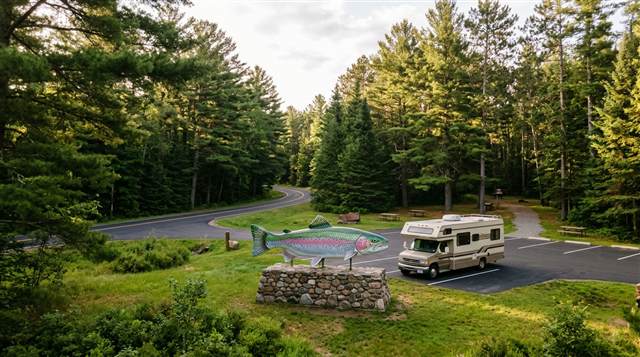
Dole Plantation Pineapple Garden Maze
Wander over two miles of hibiscus-and-croton hedges shaped like a giant pineapple before demolishing a towering cup of icy golden Dole Whip on Oahu's central plateau.
Neighboring State Rules
California
Redwoods, desert superblooms, and Pacific surf—served alongside $5+ fuel, 55-mph towing tickets, and fierce…

Oregon
World-champion coastal state parks on the rainy side, volcanic pine lakes down the middle, and wide-open…
Hawaii Camper FAQs
Can I just rent a campervan in Maui or Kauai and park anywhere pretty by the ocean?
No—and reputable Hawaii campervan outfitters actually require proof of booked nightly campground permits before handing over the keys! Every legal overnight spot in Hawaii requires either a county beach park permit, state/national park booking, or private Hipcamp land booking, protecting fragile coastal communities from illegal stealth parking.
Which Hawaiian island is truly best for a campervan or rooftop-tent road trip?
The Big Island (Hawaiʻi) and Maui lead the pack for road-trippers thanks to broader mileage, National Park campgrounds, and abundant private farm Hipcamps. Kauai offers jaw-dropping beauty like Anini and Polihale (4WD permit territory) on shorter roads. Meanwhile, crowded Oahu has tougher break-in risks and midweek county park closures.
How do campervan renters handle toilets and gray water with almost no RV dump stations?
Most island rental campervans skip bulky black-water plumbing altogether, supplying portable cassette/composting camp toilets paired with solar RinseKit showers and small sink jugs. This happens because Hawaii campgrounds nearly all provide public restrooms and cold beach showers. Always camp solely at permitted parks with facilities and follow leave-no-trace disposal instructions.
Related Guides
California Camper Laws & Strange Stops
Redwoods, desert superblooms, and Pacific surf—served alongside $5+ fuel, 55-mph towing tickets, and fierce…
Oregon Camper Laws & Strange Stops
World-champion coastal state parks on the rainy side, volcanic pine lakes down the middle, and wide-open sagebrush…
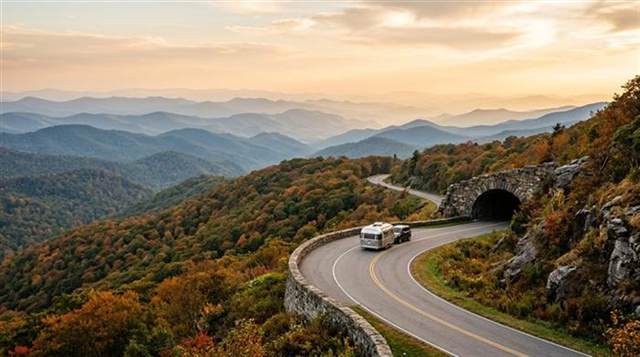
Blue Ridge Parkway & Skyline Drive
Five hundred seventy-four billboard-free miles along the spine of ancient Appalachia—zero big-truck semis, maximum…
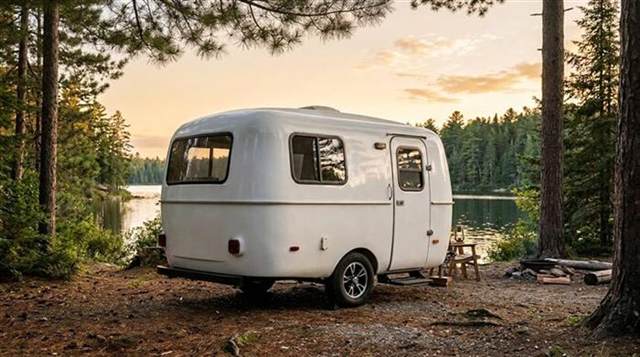
Escape Trailer Industries
The Goldilocks Canadian fiberglass egg that gives you warm maple cabinets without Casita’s fuzzy walls or Oliver’s…