Rhode Island RV Rules
| Rule / Travel Factor | Rhode Island (RI) Field Standard |
|---|---|
| Rest Area Overnight Policy | No overnight parking permitted at state welcome centers or coastal pullouts |
| Trailer Towing Speed Limit | 65 mph rural I-95. 50–55 mph Providence metro & coastal US-1 |
| Triple Towing Legality | Banned statewide |
| Trailer Brake Weight Threshold | 4,000 lbs gross trailer weight |
| Best Months to Camp | Late May–June and post-Labor Day September–early October. Warm Atlantic surf, half the traffic, open clam shacks. |
| Off-Peak / Weather Watch | November–early April. Nearly all state and private RV campgrounds close completely for winter. |
Towing & Camping Across Rhode Island
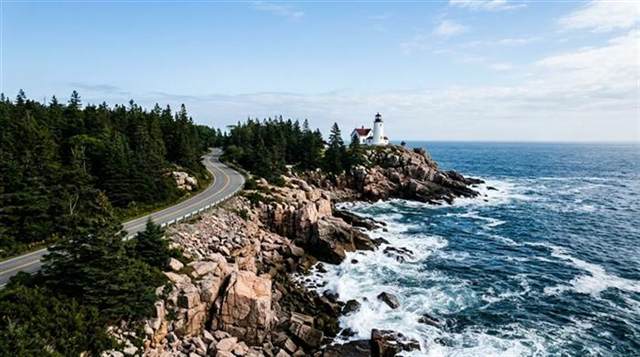
Blink on I-95 between Connecticut and Massachusetts and your rear bumper leaves Rhode Island forty-five minutes after your front bumper arrived. Slow down and detour south onto US-1 through South County, however, and America's tiniest state punches wildly above its weight: breezy salt-pond barrier beaches in Charlestown and Narragansett, gilded cliffside mansions in Newport, working lobster piers in Galilee, and clam cakes served hot in paper bags.
Read deeper field notes
Because four hundred miles of Narragansett Bay and Atlantic shoreline cram into an area smaller than a single Wyoming ranch, space is guarded fiercely. Beach towns ticket overnight street or beach-lot sleepers before midnight, colonial streets in Newport and Wickford predate the Declaration of Independence, and summer state park bookings vanish instantly when out-of-state windows open.
Set up one central coastal basecamp and explore everything else by toad or bicycle.
Overnight Parking Map
Rest Areas & Service Plazas
Rhode Island's I-95 Welcome Center near Richmond/Hopkinton posts strict "No Overnight Parking" enforcement, and coastal scenic overlooks along Ocean Drive or Point Judith clear out promptly at dusk. Plan your stopover in Connecticut or Massachusetts if arriving late.
Travel Plazas, Walmart & Cabela’s
Nearly every coastal township (narragansett, Westerly, Middletown, Newport) bans overnight RV sleeping in big-truck lots by city ordinance. In the past the Coventry or North Kingstown Walmarts sometimes granted manager-approved single transit stops, yet calling ahead is required.
BLM, Forests & Public Lands
Zero free open-land public-land RV off-grid camping exists in Rhode Island. Arcadia and George Washington Management Areas require advance reserved permits at designated campgrounds, and parking unpermitted overnight draws immediate DEM ranger attention.
Tunnels & Steep Grades
Claiborne Pell Newport Bridge & Jamestown Verrazzano Bridge (RI-138)
High-deck suspension spans exposed to open Narragansett Bay gales—RITBA enforces tiered wind restrictions banning trailers and high-profile RVs when gusts hit 50+ mph. Plus axle-based open-road tolling.
Historic Downtown Newport (thames Street, Spring Street & Bellevue Ave)
Narrow 18th-century whaling lanes choked with delivery box trucks, parallel-parked SUVs, and stone curbs. Never bring anything larger than a 20-foot camper van downtown!
Providence I-95 Viaduct & Thurbers Avenue Curve
Tight urban S-curves, short left-and-right exit weaves, and relentless lane-changing commuter traffic right through the state capital.
Featured Camp & Stop
Fishermen's Memorial State Park (Narragansett) or Burlingame State Park
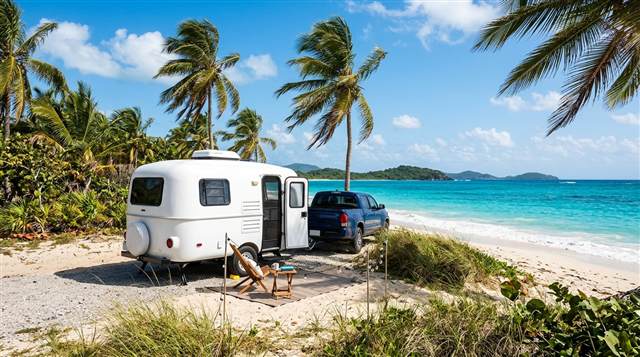
Camp within sea-breeze earshot of Point Judith foghorns inside a manicured former coastal defense fort, strolling distance from fresh-off-the-trawler scallops in Galilee and the Block Island Ferry dock.
Nibbles Woodaway (The Big Blue Bug)
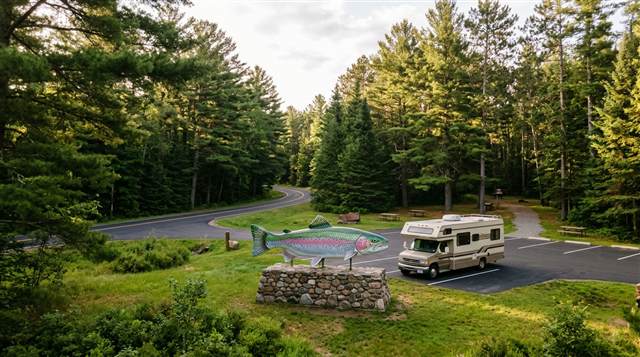
A 58-foot-long, nine-foot-tall, 4,000-pound baby-blue steel subterranean termite perched proudly atop a pest-control roof alongside I-95 since 1980—decked out in Rudolph antlers each December and Del's Lemonade props in summer.
Neighboring State Rules
Massachusetts
Cape Cod kettle ponds, Berkshire leaf-peeping, and Boston low bridges famous for turning RV roofs into…
Connecticut
Stone walls, lobster rolls, and gorgeous autumn hills—wrapped around notorious low-bridge parkways that eat…
Rhode Island Camper FAQs
Should I take my RV across on the ferry to Block Island?
Leave the RV on the mainland at Fishermen's Memorial or Burlingame and ride the classic or high-speed ferry from Point Judith with bicycles instead. Block Island holds zero public or big-truck RV campgrounds, bans beach/roadside vehicle sleeping outright, and charges massive per-foot oversized ferry fares.
Why are Rhode Island State Park camping fees higher for out-of-state RVers?
Rhode Island Department of Environmental Management charges nonresidents roughly double the resident nightly campsite rate at high-demand coastal parks like Charlestown Breachway, East Beach, Burlingame, and Fishermen's Memorial. Still dramatically cheaper than a $450/night Newport hotel room in July.
Can you camp directly on the sand at Charlestown Breachway?
Yes, for fully hard-sided hard-sided campers! Charlestown Breachway State Campground offers 75 dry-camping spots perched right behind the Atlantic barrier beach with wide-view Block Island Sound views. Strictly no tents, no hookups. You must also carry working onboard black/gray holding tanks.
Related Guides
Massachusetts Camper Laws & Strange Stops
Cape Cod kettle ponds, Berkshire leaf-peeping, and Boston low bridges famous for turning RV roofs into…
Connecticut Camper Laws & Strange Stops
Stone walls, lobster rolls, and gorgeous autumn hills—wrapped around notorious low-bridge parkways that eat…

The Loneliest Road in America
Seventeen mountain passes across Nevada's ribbed metal Great Basin where *Life* magazine warned nobody to drive…
Tiffin Motorhomes
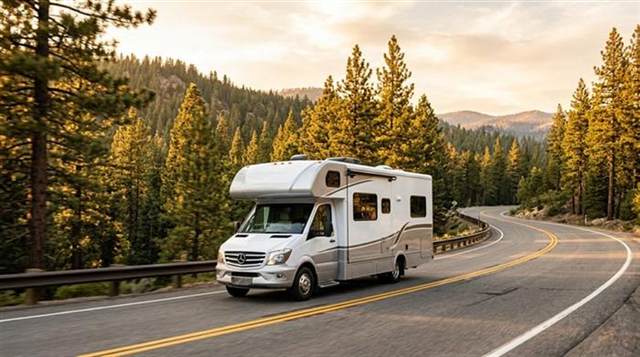
Southern hospitality wrapped around handcrafted Alabama hardwood cabinets and a small-town service campground that…