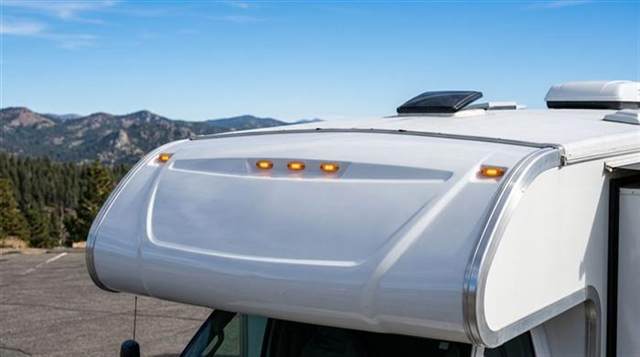
Owning a camper with a hard one-piece fiberglass or aluminum roof means branches will not tear a thin rubber sheet — but your camper can STILL rot out from roof leaks! Every skylight, AC gasket, antenna wire, and side rail still relies on caulk. Better yet, hard slick roofs hold toughest when sealed with fiberglass/metal RV sealant or Sikaflex instead of standard rubber-roof caulk.
01 • Reference ChartQuick Reference Chart
| Hard Roof Task | Best Product Choice | Why Standard Rubber Caulk Falls Short |
|---|---|---|
| Vents & skylights on glossy fiberglass roofs | Dicor Fiberglass Sealant or Sikaflex 715 | Grips shiny smooth fiberglass shells tighter than soft rubber-roof Dicor |
| Riveted aluminum seams (Airstream / vintage) | Parbond, TremPro, or Sikaflex 221 | Flexes as hot aluminum sheets expand and slide tiny amounts |
| Chalky dull sun-faded fiberglass roof panel | Wash + Marine/RV Fiberglass Wax | Fiberglass dries out into itchy glass fibers if never washed or protected |
| Roof AC unit (14x14 opening) | Dry foam donut gasket ONLY | NEVER caulk around the outside bottom of a roof AC cover! |
| Side edge molding rails on aluminum roof | Sticky putty tape under rail + Non-Sag | Aluminum expands fast in sun and cracks cheap brittle caulk |
| Hairline spider cracks in hard fiberglass top | Fiberglass patch kit or EternaBond | Seals water out before winter ice splits tiny cracks wider |
Key Rules Before You Start
The "upkeep-Free Fiberglass Roof" Myth That Wrecks RVs
" Do not believe a word of that pitch! Sure, the hard fiberglass shell itself will not rip on a low oak branch, which is awesome.
Read deeper field notes
Climb a ladder onto that "seamless" fiberglass roof, though, and count how many giant holes the factory sawed straight through it: two skylights, two bathroom vents, a fridge vent, three sewer pipes, solar wire ports, and front/side trim bars! Every single hole depends on ten dollars of caulk that cracks in hot sun just like any trailer.
Picking Sealants That Actually Grip Slick Fiberglass and Metal
Regular white Dicor 501 Self-Leveling Lap Sealant was designed mainly to grab onto soft rubber and TPO roof sheets. On a super-shiny boat-like fiberglass roof or bare sheet aluminum, regular Dicor works okay for a couple years.
Read deeper field notes
Still, its outer edges sometimes curl loose faster when cold metal shrinks. Upgrade to the right tube for hard roofs!
Dicor makes a dedicated "Fiberglass RV Roof Sealant" built especially to grip slick hard surfaces (also, pro shops also love Sikaflex 715 or Sikaflex 221) on riveted vintage aluminum campers, thick seam sealers like Parbond hug expanding metal overlaps without cracking loose.
Why You Must Never Caulk Your Roof AC unit Down
While sealing every vent and skylight on your fiberglass or aluminum roof, STOP before squeezing caulk around your big rooftop AC unit cover! Roof AC units do NOT seal with caulk — they sit on a thick, squishy fourteen-by-fourteen-inch square foam donut gasket squeezed tight by four long bolts from inside the ceiling.
Read deeper field notes
Even more important, your rooftop AC purposely drains gallons of cold sweaty water straight onto your roof underneath its plastic cover so water can trickle harmlessly off the side! Caulking the bottom plastic cover down onto your fiberglass roof traps that water inside until gallons pour straight down onto your bed!
The single dumbest mistake on any RV roof — especially flat fiberglass and aluminum roofs where water flows fast — is running a bead of caulk all the way around your rooftop AC unit cover! That traps sweaty cooling water inside the unit and guarantees an indoor waterfall the next humid eighty-five-degree afternoon. Tighten or replace the dry foam AC gasket from inside instead!
Clean & Seal Step-by-Step Checklist
Follow these steps on a dry afternoon so your patch seals tight the first time:
- Wash chalky white sun-dust off fiberglass or aluminum roofs with boat/RV wash so new caulk grips solid roof, not loose powder.
- Scrape peeling old caulk from vents and rails using a stiff plastic scraper, or razor carefully on bare metal only.
- Wipe bare fiberglass or aluminum seams squeaky-clean with 91% rubbing alcohol on a clean rag.
- Seal vents and rails using Dicor Fiberglass Sealant, Sikaflex 715/221, or Parbond — never household silicone.
- Leave your rooftop AC unit cover completely uncaulked. Snug its four interior ceiling bolts once a year.
Common Questions
Can I put EternaBond tape on a fiberglass or aluminum RV roof?
Yes, and it holds like iron! EternaBond tape sticks super tightly to clean, alcohol-wiped fiberglass and bare or painted aluminum — making it an awesome danger fix when old folded aluminum roof seams split or fiberglass roofs get hailstone cracks.
Should you wax a fiberglass RV roof like a boat?
Washing once or twice a year helps a ton.Also, wiping on a non-slip UV fiberglass protectant (never slippery car paste wax where you walk) stops blazing sunlight from turning smooth shiny fiberglass dull, chalky, and rough.
How do I stop leaks around my rooftop AC without using caulk?
Pop off the plastic interior ceiling vent grill inside your camper and snug the four long mounting bolts evenly with a socket wrench. If that thick square foam gasket is squished flat after five years, install a fresh twenty-five-dollar foam gasket.
Related Guides
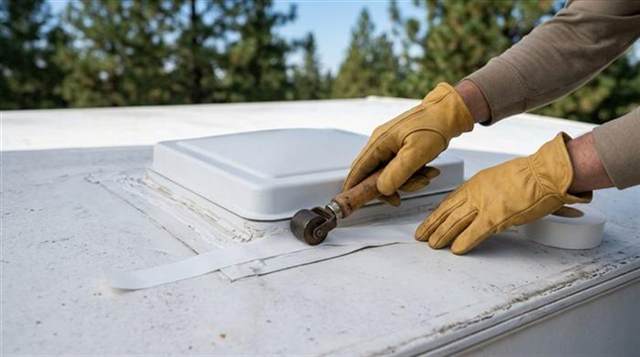
Using EternaBond Tape on TPO RV Roofs
Yes, EternaBond tape can seal rips and leaky seams on a thin white flexible roof sheet (called TPO).
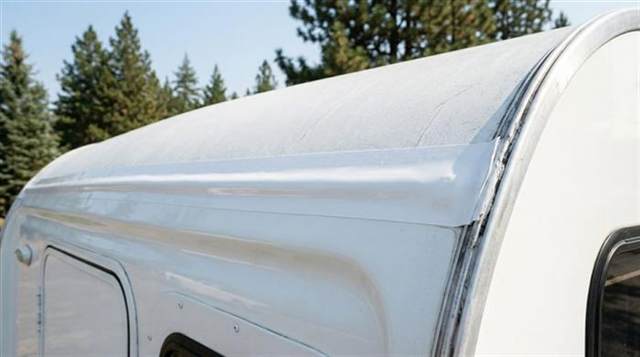
Does EternaBond Stick to PVC RV Roofs?
Yes, EternaBond tape sticks tightly to a PVC camper roof — the smooth, bright-white vinyl sheet that feels like a…

Lance Travel Trailers
For decades, California-built Lance campers earned near-mythical status for four-season warmth and lightweight…

Brinkley RV
Built by industry veterans who weaponized brass plumbing fittings and square windows to embarrass every giant…