Casita Travel Trailers Quick Specs
| Specification | Field Audit Details |
|---|---|
| Corporate Parent | Independent (Lang Family) |
| Factory Headquarters | Rice, Texas |
| Rig Classes Produced | Travel Trailers |
| Primary Build Architecture | Fiberglass Egg |
| Street Price Tier | $$ (Cult Indestructible) |
Real-World Reputation: Casita Travel Trailers
Forty-five minutes south of Dallas along Interstate 45 sits Rice, Texas, where the family-owned Casita factory has molded variations of the exact same two-piece marine fiberglass egg since 1983. There are no dealerships marking up window stickers, no flashy annual model-year redesigns, and zero wood roof rafters waiting to rot into mulch.
Read deeper field notes
A Casita is basically an upside-down Boston Whaler fused to a right-side-up bathtub. Step inside and you right away meet Casita’s quirkiest genius move: fuzzy marine-hull carpet glued directly to the curved fiberglass walls and ceiling.
First-timers laugh at the 1980s conversion-van vibe until their first chilly rainstorm, when zero condensation drips onto their forehead, road noise disappears (also, Velcro strips hold spice racks anywhere) at roughly 2,500 pounds dry, midsize SUVs like Highlanders, Tacomas, and Rangers pull them easily. Buy a Casita if you want a buy-it-for-life solo or couples runabout that parks in a standard home-size driveway, cleans up with boat wax, and sells on Craigslist in forty-eight hours for ninety percent of what you paid.
Skip it if you are tall enough to play power forward, hate showering over your toilet in a compact wet bath, or need elbow room during three-day rainstorms.
Frame, Walls & Plumbing
Frame, Axles & Suspension
Painted steel tube outer edge chassis paired with a Dexter rubber-cushioned axle. Always check the box for the factory High-Lift Axle option to prevent dragging rear plumbing pipes over gas-station aprons.
Sidewalls, Insulation & Roof
Two molded one-piece marine gelcoat fiberglass shells overlapped and riveted horizontally at the center belly band, lined internally with insulating non-absorbent marine hull carpeting.
Plumbing, 12V & Appliances
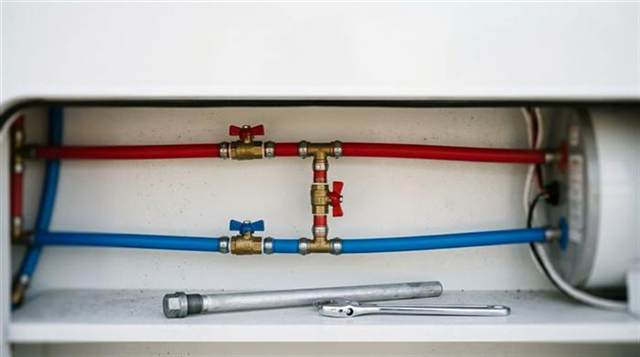
Dead-simple easy-to-reach plastic water lines, compact wet-bath fiberglass pan molded right into the lower hull so shower splashes cannot rot floors, and optional factory solar/AGM setups.
Four-Season Insulation Honesty
Strictly a two-to-three-season rig for freezing weather. Exposed bottom belly pan tanks and uninsulated fiberglass wheel wells freeze quickly below twenty-eight degrees despite cozy interior furnace heat.
Pros & Known Headaches
✓ Where Casita Travel Trailers Shines
- Clamshell marine fiberglass hull resists exterior wall bubbling and eliminates rubber roof membranes
- Sub-3,500-pound loaded towing profile pairs with midsize SUVs and pickups whose specific door-jamb payload, axle, and hitch ratings cover loaded tongue and trailer weights
- Molded one-piece fiberglass wet bath acts as a waterproof basin that protects surrounding cabin floors from shower splash
- Legendary cult resale means ten-year-old Casitas routinely sell near their original factory invoice price
✕ Known Headaches & Failure Points
- Standard 15-gallon gray water tank on older 17-foot models fills up halfway through washing two dinner plates
- Interior standing headroom hovers around six feet one inch—six-foot-three campers walk with a permanent neck tilt
- Horizontal riveted belly-band seam and window weep holes still require periodic silicone/butyl checkup
- Factory-direct purchasing requires either driving to Rice, Texas, or paying per-mile courier delivery fees
10-Minute Lot Checklist
Never sign closing paperwork before inspecting the exact VIN on the lot. Check off each item below during your walkthrough:
- Run the exact 17-digit VIN through the NHTSA Recall Database (https://www.nhtsa.gov/recalls) and Casita’s factory service team to verify whether any open safety recalls exist or have normal completion records
- Check the trailer’s max loaded weight and estimated loaded tongue weight—plus all passengers, cargo, fuel, and hitch weight. Compare that total against your truck’s door-jamb payload sticker, axle ratings, and tow limits
- Confirm the High-Lift Axle upgrade was installed if towing onto gravel forest roads or steep home-size driveways
- Inspect the rubber vinyl trim strip covering the horizontal belly-band rivets for tight silicone sealing underneath
- Crawl under the rear bumper to check low-hanging gray-tank ABS drain piping clearance, steel skid support, and plywood floor edges for moisture
- Run the bathroom sink wand and check behind the molded access hatch for drips around faucet supply compression nuts
- Verify fiberglass cabinet doors latch positively without rubbing gelcoat edges when parked slightly off-level
Popular Floorplans
Spirit Deluxe 17
Sweet Spot: The runaway bestseller—rear permanent/convertible double bed, side two-person dinette, and built-in wet bath.
Watch Out For: Converting the rear dinette back and forth daily gets old fast. Most owners leave it made as a permanent mattress.
Independence Deluxe 17
Sweet Spot: Twin-bed layout giving couples a central center aisle without climbing over each other for 2 a.m. Bathroom runs.
Watch Out For: Narrow twin cushions benefit massively from add-on custom-cut memory foam toppers.
Liberty Deluxe 17
Sweet Spot: Clever versatile layout allowing either twin beds, a king-width sleeping deck, or flexible side dining.
Watch Out For: Table power post leg placement takes shin-bruising practice during your first weekend trip.
Casita vs. Scamp: Small Fiberglass Matchup — Two beloved, leak-defying Tupperware legends—one lined in Texas boat carpet, the other in Minnesota cabin birch.
Fiberglass Shells vs. Wood-Frame Trailers — A thirty-year leak-defying boat hull that holds two people cozily versus a budget family bunkhouse held together by putty tape and dreams.
Casita Travel Trailers FAQs
Do Casita fiberglass trailers ever leak?
The seamless fiberglass outer roof shell itself resists exterior wall bubbling and tears unlike rubber roofs. However, anything bolted through fiberglass—roof vents, AC gaskets, windows, and the center belly-band rivet seam—can still seep water. While the fiberglass shell itself does not rot, water intrusion can still damage interior wood bottom floor sections, cabinets, and wiring attachments, so thorough moisture checkups remain essential.
Can a Toyota RAV4 or Subaru Outback safely tow a 17-foot Casita?
Usually no—and here is why dry-weight brochures trip people up. While dry weight sits near 2,480 pounds, loaded travel weight hits 3,200 to 3,500+ pounds with 385 to 450+ pounds of loaded tongue weight once batteries, water, and propane sit up front. Never rely on vehicle class or a generic 5,000-pound rating alone. Compare loaded trailer max loaded weight and measured tongue weight plus all passengers and cargo against your vehicle’s exact door-jamb payload sticker, axle weight limit, max loaded weight, combined weight limit, and hitch receiver rating.
Why is there carpet on the walls and ceiling of a Casita?
That marine hull liner serves three clever functions. It adds thermal break wall foam so cold fiberglass doesn’t drip moisture on your bed, deadens campground echo, and lets owners hang lightweight organizers anywhere using standard hook-side Velcro.