
No two campers on Earth age more differently than a molded fiberglass egg. Casita, Scamp, Escape, Oliver, and a classic stick-and-tin trailer. Jay Flight, Cherokee, Coleman. Molded fiberglass eggs win overwhelmingly on frame long life, aerodynamics, fuel economy, midsize SUV towability, and uncanny resale retention—ten-year-old eggs routinely sell near original MSRP because seamless marine shells cannot peel and bubble or rot.Stick-and-tin wins decisively on upfront square footage per dollar (twenty thousand bucks buys a roomy twenty-six-foot stick-and-tin bunkhouse sleeping six kids comfortably) by contrast, twenty thousand barely buys half a used fiberglass egg.
01 • 6-Factor Comparison TableSide-by-Side Specs
| Factor | Molded Fiberglass Egg | Stick-and-Tin (Wood & Aluminum) | Edge |
|---|---|---|---|
| 20-Year frame Lifespan | Marine fiberglass shell shrugs off weather for 30+ years | Wood studs rot rapidly if butyl tape or roof caulk fails | Molded Fiberglass Egg |
| Living Space Per Dollar | $30k–$95k buys cozy 13-to-23-foot slide-free cabins | $16k–$32k buys sprawling 26-to-32-foot slide-out bunkhouses | Stick-and-Tin (Wood & Aluminum) |
| Roof upkeep Burden | Seamless one-piece molded fiberglass—zero rubber membrane | Flat TPO/PVC membrane needs annual Dicor caulk vigilance | Molded Fiberglass Egg |
| Towing Fuel Economy & Drag | Rounded hull & low profile save 20–30% towing fuel penalty | 8-foot-wide flat ribbed metal brick punishes gas mileage | Molded Fiberglass Egg |
| Exterior Crash / Hail Repair | Thick gelcoat resists hail. Cracks fixable at boat shops | Single dented aluminum siding strips swap out cheaply | Tie |
| 5-Year Resale Value | Retains 80–95% of original purchase price | Usually retains 45–55% of original MSRP | Molded Fiberglass Egg |
Key Differences
How Water Kills RVs—And Why Eggs Laugh at Rainstorms
A classic stick-and-tin trailer is built like a tiny garden shed strapped onto an earthquake machine running sixty-five miles per hour: two-by-two pine studs stapled together, stuffed with pink fiberglass wool, wrapped in overlapping ribbed metal aluminum strips, and capped with a stretched sheet of TPO rubber sealed at the edges with putty tape and self-leveling caulk. Every pothole flexes those corner joints slightly.
Read deeper field notes
Miss one cracked bead of roof Dicor over winter, and rainwater wicks invisibly into pine studs and OSB floors until mushrooms sprout beside your bunk. Molded fiberglass eggs eliminate flat roof membranes and ninety percent of exterior corner seams altogether by popping seamless curved hulls straight out of boat molds.
Why Stick-and-Tin Secretly Beats Cheap glued-layer Fiberglass
Before dunking too hard on humble ribbed metal tin, give stick-and-tin credit where RV techs respect it: unlike cheap wood-backed flat glued-layer fiberglass trailers, ribbed metal aluminum siding can NEVER peel and bubble into ugly, unfixable pregnant wall bubbles. If your teenager backs a stick-and-tin Jay Flight into a campground pine tree, swapping three strips of aluminum siding costs pocket change.
Read deeper field notes
Plus, classic wood studs flex forgivingly on bumpy state-park loops and insulate surprisingly decently without metal-stud thermal bridging—provided you keep a ten-dollar caulk gun handy every April and store the rig under cover.
Space & Family Math. Submarine Cozy vs. Rainy-Day Sanity
Fiberglass eggs are engineered around finite rigid molds, meaning zero slide-outs and sloped wind-cutting walls. For a solo retiree with a terrier or an outdoorsy couple who spends all day hiking and kayaking, a 17-foot Casita or 19-foot Escape feels like a snug, effortless nest.
Read deeper field notes
Add two energetic nine-year-olds, wet raincoats, board games, and a three-day thunderstorm in Acadia, and a seventeen-foot egg starts feeling like an Apollo space capsule. Stick-and-tin bunkhouses deliver separate kids’ bunks, full dry bathtubs, giant pantries, and slide-out dinettes for half the monthly payment.
Total Cost of Ownership. The Free-Rent Equation
Look strictly at showroom price tags and stick-and-tin wins by knockout. Calculate five-year net cost of ownership and fiberglass eggs flip the scoreboard completely upside down.
Read deeper field notes
Buy a $28,000 stick-and-tin trailer, pay loan interest, and sell it five summers later for $12,500—you spent $15,500 in value drop. Buy a $32,000 Casita or $44,000 Escape, tow it with the V6 SUV already sitting in your garage instead of buying a $60,000 V8 truck, burn thirty percent less gas, and sell it five years later for $29,500 or $40,000.
Net cost per campfire. Practically pocket lint.
Which One Should You Buy?
Choose Molded Fiberglass Egg If...
- You camp solo or as a couple and want a 25-year rig free of roof-membrane anxiety
- You want to tow comfortably with your existing V6 SUV or midsize pickup truck
- You view value drop as lighting hundred-dollar bills on fire and want ~90% resale retention
- You store your trailer outdoors in humid, rainy climates that eat wood framing alive
Choose Stick-and-Tin (Wood & Aluminum) If...
- You have two or three growing kids who need dedicated bunk beds and rainy-day floor space now
- Your hard cash budget sits under $22,000 and you refuse to take on heavy luxury debt
- You camp six local weekends a summer and don’t mind spending one Saturday each spring inspecting roof caulk
- You want an 8-foot-wide cabin with a roomy separate dry bathroom and walk-around queen bed
Common Questions
Are flat-sided fiberglass trailers the same thing as "Fiberglass Eggs"?
Not even close—and dealers love blurring that line! Flat-sided "fiberglass" trailers glue thin sheets of fiberglass over wood or aluminum wall frames with flat rubber roofs on top. True "Fiberglass Eggs". Casita, Scamp, Escape, Oliver. Use thick, seamless marine-molded curved hulls including the roof.
How often do you have to wax a molded fiberglass egg trailer?
Just like a fiberglass boat, UV sunlight eventually chalks unprotected gelcoat. Washing and applying a good marine heavy plastic wax or ceramic coating once a year keeps an egg gleaming—and even chalky 25-year-old hulls buff back to mirror shine with oxidation compound.
Which is heavier per foot: stick-and-tin or molded fiberglass?
Single-hull fiberglass eggs (Casita, Scamp, Escape) are dramatically lighter—often 1,800 to 3,800 pounds—because curved narrow shells eliminate heavy wood framing and slide motors. Only double-hulled luxury Olivers match or exceed classic trailer weights per foot.
Related Guides

Casita Travel Trailers
A lovable Texas Tupperware container lined in fuzzy boat carpet that refuses to leak, lose value, or fit anyone…
Escape Trailer Industries
The Goldilocks Canadian fiberglass egg that gives you warm maple cabinets without Casita’s fuzzy walls or Oliver’s…

Class C Motorhome vs. Travel Trailer
On-the-move bathroom access and ten-minute campsite setups battle lower upkeep bills and having a car once you…
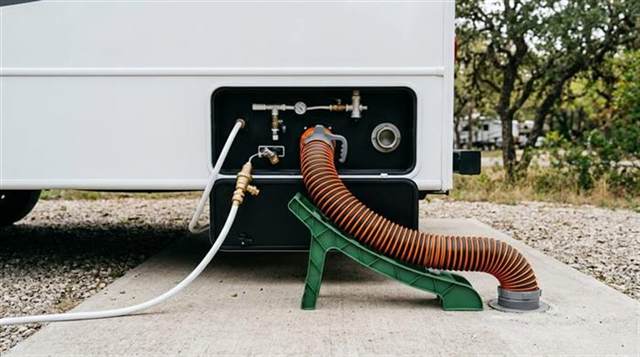
Fast, Clean RV Dump Station Steps
Twelve rigs waiting behind you, one bayonet cap, and why eye protection, gloves, and safe spill containment matter.