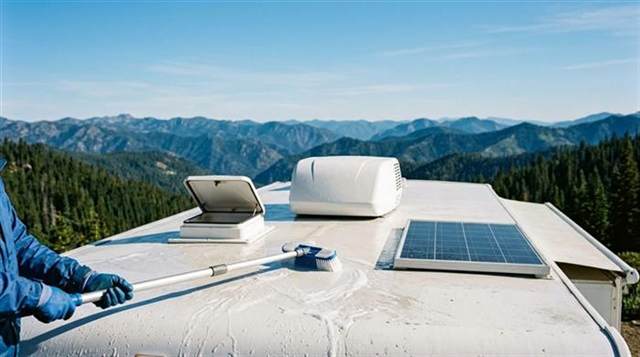
Plain blue Dawn dish soap mixed into a bucket of warm water is the safest, cheapest cleaner for every flexible RV roof! Never grab household bleach, citrus orange degreasers, Pine-Sol, tire shine, or oily garage cleaners — they suck the flexibility right out of rubber, TPO, and PVC sheets until your roof turns brittle, shrinks, and cracks.
01 • Reference ChartQuick Reference Chart
| Cleaner in Your Garage | Safe on RV Roofs? | What It Actually Does |
|---|---|---|
| Blue Dawn dish soap + warm water | 100% Safe Winner | Cuts tree sap and bird grime gently without hurting roof sheets or caulk |
| Dicor or Camco Rubber Roof Cleaner | 100% Safe Winner | Made especially for EPDM, TPO, and PVC roof sheets |
| Citrus / Orange Degreaser Sprays | DANGEROUS — Never Use | Citrus peel oils break down rubber and swell up thin roof sheets |
| Straight Clorox Bleach or Mold Bleach | DANGEROUS — Harsh | Dries out caulk, rusts screw heads, and streaks camper sidewall decals |
| Armor All / Oily Tire Shine Sprays | DANGEROUS — Never Use | Greasy oils rot rubber roofs and turn the top slick as ice |
| Gas Pressure Washer (2,500+ PSI) | DANGEROUS — Never Use | Slices right through soft Dicor caulk and drives water under vents |
Key Rules Before You Start
Why Garage Degreasers Eat Flexible Camper Roofs
When green tree slime and black highway soot coat a white camper roof, most people reach under the kitchen sink for whatever cuts grease fastest — like orange citrus cleaner, heavy bleach, or strong garage degreaser. Big mistake!
Read deeper field notes
Flexible RV roofs stay soft because of special oils baked inside the thin sheet. Cleaners made from crude oil, orange peel oils, or harsh paint-stripper liquids literally pull those softening ingredients right out of rubber and TPO.
Your roof looks sparkling white that afternoon. So you think you did great — until eighteen months later when the dried-out sheet shrinks tight like beef jerky, pulling away from your corner rails!
How to Wash Your RV Roof Safely in One Hour
Leave the gas pressure washer parked in the shed! High-pressure spray nozzles act like a water knife against soft Dicor roof caulk, blasting invisible slits under your skylights.
Read deeper field notes
Meanwhile, pumping gallons of water into your attic wall foam. All you need is a regular garden hose, a five-gallon bucket, warm water, and three squirts of Dawn.
First, rinse your camper sidewalls thoroughly with plain water from the ground so dirty soapy roof runoff does not bake streaks onto hot dry paint! Climb up carefully — remembering wet camper roofs are slippery as greased glass — scrub three-foot squares gently with a medium-soft long-handle brush, and rinse well from front to back.
Handling Stubborn Tree Sap and Mildew Spots Safely
What if sticky pine sap or dark mildew spots laugh at mild dish soap. Resist grabbing a green rough kitchen scouring pad or a Magic Eraser sponge and scrubbing with all your body weight!
Read deeper field notes
Magic Erasers act like super-fine sandpaper — scrubbing hard scrapes off the sun-blocking top layer on EPDM and TPO roofs. For sticky pine sap blobs on EPDM or Dicor membranes where permitted.
Never use petroleum solvents or mineral spirits on Alpha Super Flex membranes, which must be washed with mild soap and water only, wear nitrile gloves, check your membrane maker’s approved cleaner list first, and wash the area right away afterward with mild Dawn dish soap and water. Two gentle washes beat one harsh chemical scrub every single time.
The worst rookie accident is climbing right up onto a wet, soapy TPO or PVC camper roof wearing worn-out flip-flops or smooth sneakers! Wet vinyl and soapy TPO are slicker than a hockey rink — thousands of RV owners break wrists or ribs sliding off nine-foot roofs. Wash from a tall A-frame ladder along the sides whenever possible!
Clean & Seal Step-by-Step Checklist
Follow these steps on a dry afternoon so your patch seals tight the first time:
- Wet down your camper’s painted sidewalls and decals from the ground first so dirty roof suds rinse off cleanly.
- Mix three tablespoons of mild Dawn dish soap (or dedicated RV roof wash) into a bucket of warm water.
- Work safely from a sturdy tall step-ladder beside the rig whenever possible instead of walking on soapy wet vinyl.
- Scrub small sections lightly with a soft-to-medium bristle RV brush — never stiff wire brushes or green scouring pads.
- Rinse all soap off the roof AND down the camper sidewalls thoroughly with a gentle garden hose nozzle.
Common Questions
Is Simple Green safe to use on an RV rubber or TPO roof?
While some campers dilute plain Simple Green heavily with water, roof sheet makers like Alpha Systems especially warn owners to stick with mild dish soap or dedicated RV roof cleaner instead. Plain blue Dawn costs three bucks and carries zero risk.
Should I put UV protectant spray on my roof after washing?
On older black-backed EPDM rubber roofs, a water-based sun protectant like Dicor Roof Gard helps slow down white chalking once or twice a year. Modern PVC roofs need zero conditioning sprays at all — just wash with soap and rinse clean!
How often should I wash my camper roof?
Washing two to four times a year is plenty for most climates — ideally once in late spring after tree pollen drops and once in fall before winter storage. Washing also forces you to eyeball every inch of roof caulk closely.
Related Guides
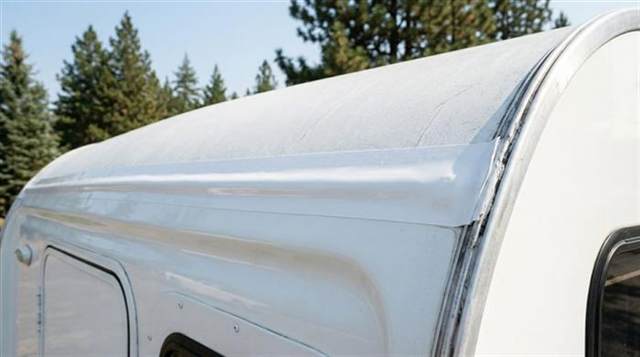
Fixing RV Roof Bubbles & Loose Seams
Seeing a puffy bubble on your white RV roof looks terrifying.
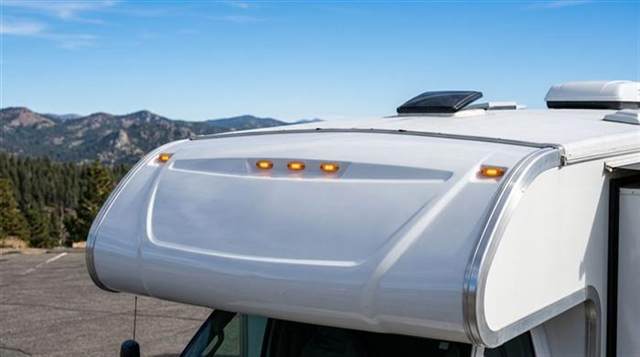
Sealing Fiberglass & Aluminum RV Roofs
Owning a camper with a hard one-piece fiberglass or aluminum roof means branches will not tear a thin rubber sheet…
Alliance Avenue
The Alliance Avenue brings wide-body fifth-wheel space down into trimmer lengths designed for properly rated…
Tiffin Motorhomes
Southern hospitality wrapped around handcrafted Alabama hardwood cabinets and a small-town service campground that…