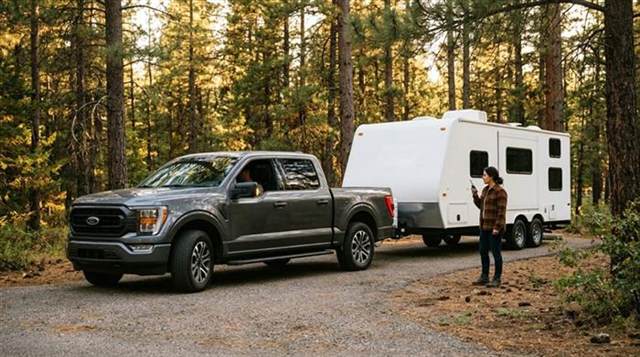
You drove four hours into the mountains to gaze at the Milky Way beside a campfire. At 9:30 PM, a rig rumbles into the site next door, flips on blinding exterior nose-cap LED light bars aimed straight into your bedroom window, sets up a portable generator in the brush, and lets two off-leash dogs sprint across your campsite.
01 • Field BreakdownHow It Happens & How to Prevent It
Treat Every Neighbor’s Gravel Pad Like Their Living Room
Because campgrounds lack fences, first-time campers—and kids racing toward the bathhouse or playground—sometimes treat neighboring campsites as public shortcuts. In campground culture, the outer edge around someone’s gravel pad, picnic table, fire ring, and tent area is private space.
Read deeper field notes
Walking right behind someone’s bedroom window at 7 AM on a shortcut to the shower house startles dogs and wakes sleeping families. Teach kids on Day One to stick strictly to paved loop roads and designated paths.
Turn Off the Stadium Nose Lights & Exterior Speakers
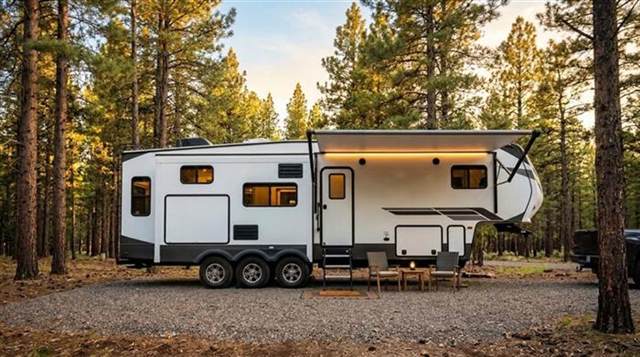
Many modern RVs feature bright daylight-blue LED strip lights across front fiberglass caps and under awnings. Left burning all night, those strips ruin night vision across six campsites, attract swarms of insects to your screen door, and shine straight through neighbors’ blinds.
Read deeper field notes
Use a low, warm light by your steps when sitting outside, switch decorative cap and awning strip LEDs completely OFF whenever heading indoors or at quiet hours, and skip blaring exterior sidewall speakers that project bass right through your neighbor’s walls.
CRITICAL SAFETY. Generator Placement, Carbon Monoxide & Wildfire Prevention
Dry-camping in state and national parks comes with posted generator hours—and even more important, strict life-safety rules! Remember that how quiet an inverter generator sounds has ZERO bearing on how much deadly, odorless carbon monoxide (CO) gas it produces.
Read deeper field notes
Never run a portable generator inside an RV, inside a storage bay, under an awning, or close to any occupied RV or tent. NEVER point generator exhaust into the woods, tall grass, or dry brush—hot generator mufflers and exhaust sparks can ignite devastating wildfires in seconds!
Follow USFA, CDC, and Honda generator safety guidelines. Place portable generators outdoors on a flat, clear, non-flammable surface at a safe distance away and downwind from your RV and all neighboring RVs, tents, windows, doors, slide-out gaps, and air intakes.
CDC home safety guidance recommends at least 20 feet of clearance from building windows, doors, and vents as a conservative baseline. If a cramped campsite or local rules do not allow safe outdoor separation away from all occupied rigs and brush, DO NOT run the generator!
Always verify that your RV’s battery-powered carbon monoxide and propane alarms are working before every trip.
The Six-Foot Leash Law & Campfire Smoke Discipline
" does not help a leashed dog next door or a toddler carrying dinner! Keep pets on physical six-foot leashes, never leave an anxious dog barking solo inside a camper while sightseeing (especially in warm weather where cabin temps turn lethal fast), and pick up after pets right away.
Read deeper field notes
Before tossing trash into your evening fire ring, remember your downwind neighbors have their windows open. Never burn plastic bottles, styrofoam plates, or foil-lined wrappers, and always extinguish campfires completely with water until cold to the touch.
5 Golden Rules to Live By
| Rule # | Campground Commandment |
|---|---|
| Rule #1 | NEVER walk or bike across an occupied campsite—stick to loop roads and trails. |
| Rule #2 | Place portable generators outdoors far away and downwind from ALL RVs, tents, windows, and vents (Using the CDC 20-foot clearance baseline where space allows) — NEVER aim exhaust into woods or dry brush! |
| Rule #3 | Do not run a generator at all if the campsite is too tight to maintain safe CO and fire separation or violates park rules. |
| Rule #4 | Turn off bright exterior awning strips and front nose-cap LEDs whenever you go inside or reach quiet hours. |
| Rule #5 | Keep dogs on 6-foot leashes and never burn plastic, cans, or trash in the campfire ring. |
Carry a roll of warm amber lens tape to dim harsh white entry-porch LED lights so you preserve stargazing night vision—and before starting any generator during allowed daytime hours, step outside to check wind direction and test your indoor carbon monoxide alarm button!
Campground FAQs
Should I point my portable generator’s exhaust into the woods at the edge of my campsite so it is quieter for neighbors?
NO! Never aim generator exhaust into the woods, pine needles, or dry brush—hot exhaust and sparks can start a forest fire, and exhaust can still drift into nearby tents or RVs. Place portable generators on a clear, flat area far away and downwind from all RVs, tents, windows, and air intakes. Using the CDC 20-foot building-opening distance as a conservative baseline, and do not run the generator if safe clearance is impossible.
Does a quiet inverter generator produce less carbon monoxide than a loud open-frame generator?
No! Sound level has nothing to do with carbon monoxide output. Even the quietest portable generator produces deadly, odorless carbon monoxide gas that can kill within minutes if exhaust enters an RV or tent. Always run generators outdoors far away and downwind from all occupied spaces and keep working CO alarms inside your RV.
What is the polite way to tell a neighbor their bright front cap lights are shining into our bedroom?
Many new RV owners truly do not realize their front cap switch was bumped on inside the storage bay! Walk over in early evening with a friendly smile and let them know the front light bar is beaming into your window.
Related Guides
Fast, Clean RV Dump Station Steps
Twelve rigs waiting behind you, one bayonet cap, and why eye protection, gloves, and safe spill containment matter.
Cummins Onan RV Generator Starts Then Dies When
Does your Cummins Onan RV generator fire up.
RV AC Compressor Humming & Clicking Off on 30-Amp
Hear a loud two-second wiring buzz from the roof followed by a metallic "click" while your cabin lights dim.
Grand Design RV
The golden child of RV rallies that conquered America with stellar customer service before corporate physics…