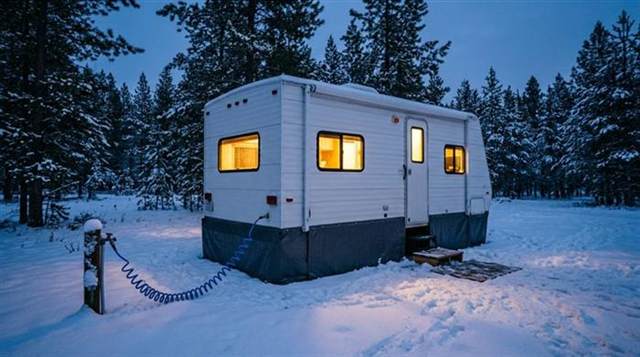
CRITICAL WARNING BEFORE WE START. Never run an unvented portable propane heater inside your RV while sleeping or in an enclosed space, and never assume cracking a window makes an unvented heater safe! Even without any portable heater, two sleeping adults and a dog exhale cups of invisible water vapor every chilly night inside a small RV—leaving aluminum window frames dripping wet by morning and trapping moisture beneath cold foam mattresses.
01 • Field BreakdownHow It Happens & How to Prevent It
LIFE-SAFETY FIRST. Carbon Monoxide, Fire & Unvented Portable Propane Heaters
Before talking about condensation, put this life-safety rule first. NEVER use an unvented portable fuel-burning heater (such as a portable propane catalytic or camp heater).
Read deeper field notes
Inside an RV while sleeping. Meanwhile, alone, or inside an unventilated space!
S. Consumer Product Safety Commission (CPSC) warns, portable fuel-burning camping heaters can produce deadly, odorless carbon monoxide (CO) gas and deplete oxygen in small cabins, as well as ignite nearby bedding or curtains.
Never assume that cracking a window or roof vent by itself makes an unvented portable propane heater safe to run inside your camper, and always read and obey the exact appliance and RV owner manuals! Always rely on your RV’s factory-installed, outdoor-vented ducted furnace (or safe campground power heat) for overnight heating (also, verify that both your carbon monoxide (CO) alarm and propane gas alarm are tested and working before every single trip).
On top of the life-threatening CO and fire danger, burning propane inside an unvented cabin also releases massive amounts of water vapor into your walls.
Where All That Indoor Moisture Comes From—And the Cold Bed-Deck Trap
New campers often assume a roof skylight is leaking whenever closet walls feel damp in chilly weather—yet much of that moisture comes straight from everyday breathing, cooking, and showering! Two adults and a dog breathe and perspire roughly two to three pints of water vapor into a small two-hundred-square-foot cabin every night.
Read deeper field notes
Underneath your bed, body heat pushes moisture downward through breathable foam until it hits the cold plywood bed platform sitting directly above an unheated exterior pass-through storage bay. Whenever warm humid air touches a cold surface below the dew point—window frames, closet corners, or cold bed decking—vapor condenses into liquid water droplets where mold can begin growing within 48 to 72 hours.
Air out With Your Vented Furnace & Exhaust Fans
Sealing every roof vent and window airtight during damp, cool weather traps all your cooking, shower, and breathing moisture inside the cabin. Running your RV’s factory-installed vented propane furnace circulates dry heat.
Read deeper field notes
Meanwhile, exhausting burner gases completely outdoors through its sealed flue. Always run your bathroom exhaust fan during and for 15 minutes after every shower, use the kitchen range-hood exhaust fan whenever boiling water, and use a home-size compressor or desiccant dehumidifier when connected to campground power in damp climates.
Preventing Mattress Moisture vs. EPA Rules When Mold Takes Hold
To help prevent condensation under a healthy, dry mattress, place a breathable 3D mesh airflow underlayment between the mattress and the solid plywood bed deck so air can circulate underneath, and prop mattress corners up during storage. However, know when prevention is no longer enough!
Read deeper field notes
S. Meanwhile, hard non-porous surfaces with minor surface mildew can be cleaned with detergent and water and dried completely.
Porous items like foam mattresses, upholstered cushions, or heavy bedding that have developed established mold growth inside the material usually CANNOT be fully cleaned or salvaged with surface sprays or an airflow underlay alone. They must be discarded and replaced so you are not sleeping on trapped mold spores.
5 Golden Rules to Live By
| Rule # | Campground Commandment |
|---|---|
| Rule #1 | LIFE SAFETY. NEVER use an unvented portable propane heater while sleeping or in an unventilated RV, and never assume cracking a window makes an unvented heater safe! |
| Rule #2 | Test your RV’s carbon monoxide (CO) and propane gas alarms before every trip and use your factory outdoor-vented furnace for overnight fuel heat. |
| Rule #3 | Follow EPA mold guidance. If a porous foam mattress or bedding already has established mold growth, discard and replace it rather than trying to cover it or rely on surface cleaner. |
| Rule #4 | Slide breathable 3D mesh airflow underlayment beneath a clean, dry mattress to help stop condensation from forming on cold plywood bed decks. |
| Rule #5 | Run kitchen and bathroom exhaust fans whenever cooking or showering so steam exits outdoors right away. |
Keep a $12 digital indoor humidity gauge (hygrometer) on the counter alongside your working CO detector! Anytime indoor humidity climbs above 50 percent in cool weather, run your ceiling exhaust fan or campground power dehumidifier early so moisture never puddles on window frames or under bed platforms.
Campground FAQs
Is it safe to run a portable propane heater inside my RV overnight if I crack a window open?
NO! Never use an unvented portable fuel-burning heater inside an RV while sleeping or alone, and never assume a cracked window or roof vent makes an unvented heater safe. CPSC warns that unvented portable heaters create severe carbon monoxide (CO) poisoning, oxygen depletion, and fire hazards in small spaces. Always use your RV’s factory outdoor-vented furnace and keep working CO alarms installed.
Can I save a foam RV mattress that already has black mold growing inside the foam by putting an airflow mat under it?
No. An airflow underlayment helps prevent moisture under a clean, dry mattress. However, per EPA mold cleanup guidance, once mold growth is established inside porous materials like a foam mattress or pillows, the mold cannot be completely removed with surface cleaners and the porous item should be discarded and replaced.
How do I safely clean minor surface moisture and small mildew spots on hard, non-porous RV surfaces?
Per EPA guidelines, scrub small surface mold spots on hard, non-porous surfaces using mild detergent and water (or an approved non-abrasive mold cleaner per label instructions without mixing chemicals), dry the area completely right away, and fix the humidity or leak source.
Related Guides
Handling Crosswinds & Trailer Sway Safely
Why trailer sway requires following your exact tow-vehicle and brake-controller manual.
Coleman-Mach RV AC Freezing Up
If your Coleman-Mach rooftop AC roars loudly on a humid day yet barely pushes cool air out the ceiling vents—or…
RV GFCI Outlet Keeps Tripping in the Rain
If an RV GFCI outlet trips during rain, treat it as an active electric shock warning.
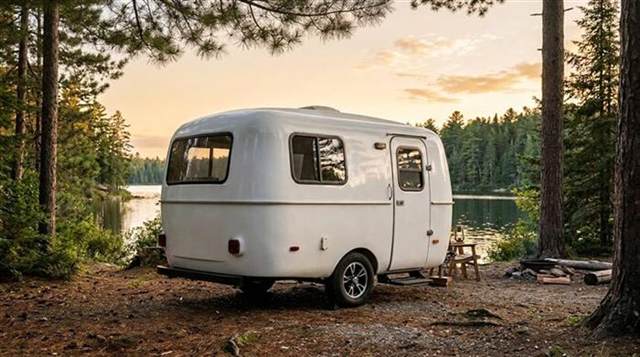
Escape Trailer Industries
The Goldilocks Canadian fiberglass egg that gives you warm maple cabinets without Casita’s fuzzy walls or Oliver’s…