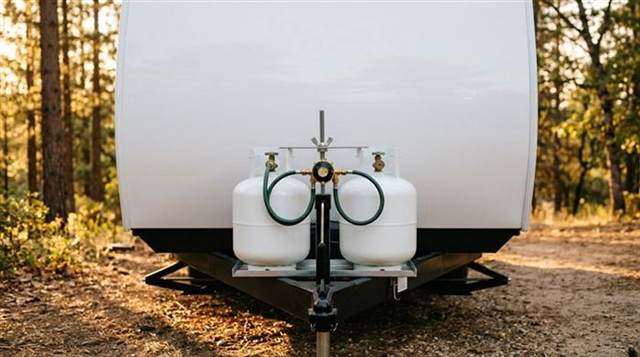
Woken up by a beeping RV propane or carbon monoxide (CO) detector? Keep the detector powered. Never pull its fuse or cut its wires. If it sounds an alarm, if anyone feels dizzy, nauseous, or headachy, or if you cannot 100% confirm from the printed label on your exact detector that it is only a routine low-voltage or end-of-life status chirp, get everyone and pets outside into fresh air right away without touching switches and call 911 from a safe location.
01 • Fault Specs & Root CauseFault Summary
| What to Know | Details |
|---|---|
| Screen Code / Blink Pattern | LP / CO BEEP |
| Appliance Maker | Safe-T-Alert / MTI / Kidde |
| Camper System | 12V & Shore Power |
| How Urgent Is It? | Evacuate & Call 911 If Unsure |
| Basic Tools Needed | None during an alarm — get everyone outside first. Check your exact detector faceplate label/manual only if a routine status chirp is confirmed |
What Is Happening Inside the Unit
RV gas detectors protect against two distinct life-safety hazards: carbon monoxide. An invisible gas with zero smell, color, or taste produced by fuel-burning appliances, generators, or nearby engines, and leaking propane (propane) gas, which is heavier than air and settles into low areas.
Read deeper field notes
Some RVs use separate propane and CO detectors mounted in different locations. Meanwhile, others use a listed combo unit.
Never rely on "not smelling rotten eggs" to decide your camper is safe—carbon monoxide has no smell at all, and leaking propane can lose its odorant ("odor fade"). When there is no gas danger, a detector may emit a periodic low-power warning chirp or status chirp for two common reasons: low 12-volt house battery supply, or a weak backup battery, depending on the detector type, or reaching the sensor’s end-of-life expiration date.
Because voltage thresholds, flash patterns, beep intervals, mounting rules, and service lifespans vary by maker and model, always verify the exact chart printed on your detector’s faceplate or in its owner’s manual.
Step-by-Step Fix
If You Cannot Confidently Confirm a Routine Status Signal, Evacuate Immediately
Treat any continuous or repeating alarm pattern—or ANY beep you cannot right away and confidently identify from your detector’s printed label as a routine warning chirp—as a real danger, especially if anyone feels dizzy, lightheaded, sleepy, nauseous, or has a headache. Get every person and pet outside into fresh air right away without flipping light switches, unplugging cords, or touching appliances.
Call 911 From a Safe Location Outside (Never Trust a "Sniff Test")
Move well away from the camper and call 911 or the local fire department from a safe spot outdoors. Only if it is plainly safe to do so from outside and in accordance with emergency guidance, close the outside propane tank shutoff valve—otherwise stay back and leave it for firefighters. Never approach a suspected leak or assume "no rotten-egg smell" means it is safe to stay or go back inside.
Keep All Detectors Powered at All Times. Never Pull the Fuse or Remove Batteries.
Never pull the RV detector fuse, remove batteries, snip wires, or cover the unit overnight so people can sleep. Disabling a detector leaves everyone inside unprotected against odorless carbon monoxide and propane leaks. After any alarm or unconfirmed beep, stay outside until emergency responders or a trained RV tech inspect the rig and clear it.
For Confirmed Low-Voltage Status Chirps Only. Restore Power Per the Detector Manual
Only when zero people have symptoms, no alarm pattern has sounded, and the printed chart on your exact detector faceplate/manual confirms a low-power routine warning chirp, restore normal power. For example, by plugging into campground power to recharge a low 12-volt house battery on hardwired units, or installing a fresh battery on battery-powered CO alarms. While keeping the detector active.
Check Your Detector’s Printed new Date & Replace Expired Units Promptly
Every RV propane and carbon monoxide detector has a specific service life and end-of-life signal defined by its maker and printed on the unit’s label. Once a detector reaches its maker expiration date—or if end-of-life chirps sound. Do not sleep inside the RV without active, working propane and CO protection. Replace the expired detector with an appropriately listed RV unit installed per the maker’s instructions.
Never pull the propane or CO detector fuse or remove batteries overnight. Never treat "no rotten-egg smell" as proof your camper is safe (carbon monoxide is completely odorless and propane odor can fade). Never approach a suspected leak if there is any odor, hissing, or dizziness. Never assume a smoke alarm replaces dedicated RV propane and carbon monoxide detectors.
When to Call 911 & Qualified RV techs: Call 911 Immediately from a safe outdoor location for any active propane or CO alarm, physical symptoms (headache, dizziness, nausea), or untested beeping. Before turning propane back on after an alarm, have your propane supplier or a qualified RV tech perform a pressure leak test and inspect all fuel-burning appliances.
Spare Parts to Carry
- Saved photo or manual page showing the exact LED and beep chart for each detector installed in your RV
- Reminder noting the maker-printed new/expiration date on both your propane and CO detectors
- Working, listed RV carbon monoxide and propane detectors. Never sleep in an RV if either detector is unpowered or expired
Common Questions
Can I pull the RV propane detector fuse overnight if my battery is low and I do not smell gas?
No. Never pull the detector fuse to sleep and never rely on smell. Carbon monoxide has zero odor, and leaking propane can lose its rotten-egg scent through odor fade. Keep all detectors powered at all times. If you cannot safely restore power or confirm a routine status chirp from the unit’s label, do not sleep inside an unprotected RV.
Do all RV propane and carbon monoxide detectors use the exact same blink codes, voltage limits, or lifespan?
No. Separate propane gas detectors, standalone battery-powered CO alarms, and hardwired combo propane and carbon monoxide detectors use different beep cadences, LED colors, low-voltage thresholds, mounting heights, and new timelines. Depending on brand and model. Always check the printed label and owner’s manual for the exact detector installed in your RV.
What should I do if I cannot tell whether my RV detector is sounding an alarm or a routine chirp?
Whenever you cannot confidently identify the sound as a routine warning chirp from the faceplate chart—or if anyone feels dizzy, lightheaded, or nauseous—treat it as a real danger. Get every person and pet outside into fresh air without touching light switches or appliances, move to a safe distance, and call 911.
Related Guides
WFCO RV Converter Not Charging Battery
Your 120V outlets work on campground power, yet your 12V cabin lights are dimming and your house battery is not…
RV GFCI Outlet Keeps Tripping in the Rain
If an RV GFCI outlet trips during rain, treat it as an active electric shock warning.
Micro-Air EasyStart RV AC Guide
Your camper's rooftop AC only uses around 1,400 watts while running—so why does it choke and stall a quiet…

Unwritten Campground Etiquette Rules
Campground walls are made of canvas and thin plywood.